Same-Day Appointments Available!


Bruxism: How Teeth Grinding Is Treated
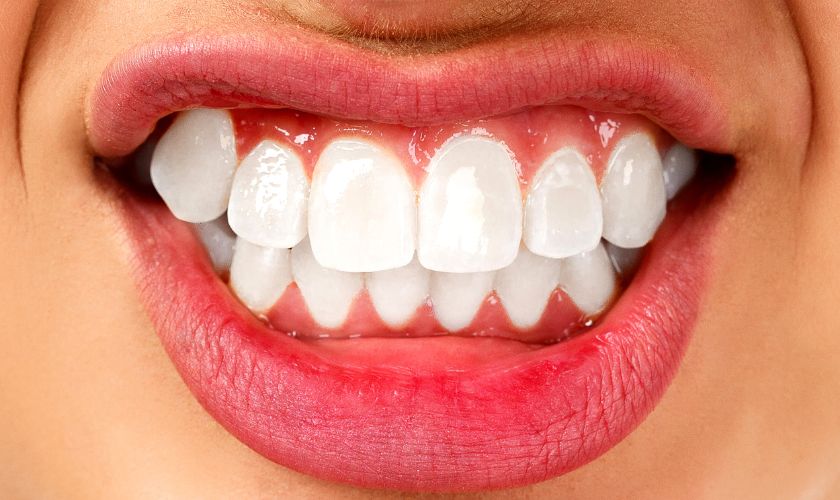
Bruxism, the habitual grinding or clenching of teeth, affects a significant portion of the population, often without the person being aware of it. This condition can lead to various dental problems and discomfort if left untreated. Understanding the causes and treatment options for bruxism is crucial for managing and preventing its effects on oral health.
What Causes Bruxism?
Bruxism can occur during sleep (sleep bruxism) or during waking hours (awake bruxism). The causes can vary, but common factors include:
- Stress and Anxiety: Emotional stress and anxiety can contribute to teeth grinding.
- Malocclusion: Misalignment of teeth can lead to grinding as the jaw tries to find a comfortable position.
- Sleep Disorders: Bruxism is often associated with sleep disorders such as sleep apnea.
- Lifestyle Factors: Habits like excessive caffeine intake or alcohol consumption can exacerbate bruxism.
Identifying the underlying cause is essential for effective treatment.
Recognizing the Symptoms
Symptoms of bruxism can include:
- Worn Tooth Enamel: Grinding can wear down tooth enamel over time.
- Jaw Pain: Persistent jaw pain or tightness, especially in the morning.
- Headaches: Chronic headaches, especially around the temples.
- Sensitive Teeth: Increased tooth sensitivity to hot, cold, or pressure.
- Disrupted Sleep: Partners may notice the grinding sound during sleep.
If any of these symptoms are present, consulting a dentist in Boynton Beach is advisable to prevent further damage.
Treatment Options
Treatment for bruxism focuses on reducing grinding, protecting teeth from damage, and addressing underlying causes. Depending on the severity and specific circumstances, treatment options include:
1. Mouthguards and Splints
- Night Guards: Custom-fitted night guards are often recommended for sleep bruxism. These devices create a barrier between the upper and lower teeth, preventing enamel wear and reducing muscle strain.
- Splints: Occlusal splints are similar to night guards but are used during waking hours for those with awake bruxism. They protect while allowing for normal jaw movement.
2. Stress Management and Behavioral Therapy
- Stress Reduction: Managing stress through techniques like meditation, yoga, or counseling can reduce bruxism episodes.
- Behavioral Therapy: Cognitive-behavioral therapy (CBT) can help modify behaviors associated with teeth grinding, especially for awake bruxism.
3. Dental Correction
- Orthodontic Treatment: Correcting teeth misalignment through orthodontic treatment can alleviate bruxism caused by malocclusion.
- Dental Restorations: Restoring worn-down teeth with crowns or overlays can restore proper tooth alignment and function.
4. Medication
- Muscle Relaxants: In some cases, muscle relaxants prescribed by a dentist or physician can reduce jaw muscle tension.
- Antidepressants: Tricyclic antidepressants have been used to treat severe bruxism due to their muscle-relaxing effects.
5. Lifestyle Changes
- Avoiding Stimulants: Cutting back on caffeine and alcohol can reduce grinding tendencies.
- Sleep Hygiene: Improving sleep habits and addressing underlying sleep disorders like sleep apnea can reduce sleep bruxism.
Importance of Regular Dental Visits
Regular dental check-ups are crucial for monitoring the effects of bruxism and adjusting treatment as needed. Dentists can detect early signs of bruxism and recommend appropriate interventions to prevent complications such as tooth damage and jaw disorders.
Conclusion
Bruxism is a common dental condition with various causes and treatment options. Effective management often involves a combination of protective devices like night guards, stress reduction techniques, and dental interventions. Early diagnosis and treatment can prevent long-term damage to teeth and improve overall oral health.
If you suspect you or a loved one may be grinding their teeth, consult our dentist promptly to discuss the best course of action for managing bruxism.
By understanding the causes and treatment options for bruxism, individuals can take proactive steps to protect their teeth and maintain a healthy smile for years to come.
Frequently Asked Questions About Bruxism
1. What is bruxism and what causes teeth grinding?
Bruxism is the repeated grinding or clenching of your teeth, which can happen while you are awake or asleep. Common causes include stress, anxiety, certain sleep disorders, bite-related issues, and lifestyle factors such as excessive caffeine or alcohol consumption.
2. What are the signs and symptoms of teeth grinding?
Common signs of bruxism include worn or damaged tooth enamel, jaw pain or tightness, morning headaches, tooth sensitivity, and disrupted sleep. A dentist may also notice signs of excessive tooth wear during a routine dental exam.
3. How is bruxism treated by a dentist?
Bruxism treatment depends on its cause and severity. A dentist may recommend a custom night guard, stress-management strategies, treatment for an underlying sleep disorder, dental restorations, or other approaches to protect your teeth and reduce jaw strain.
4. Can a night guard stop teeth grinding?
A custom night guard may not completely stop the habit of grinding, but it can protect your teeth from excessive wear and reduce stress on the jaw. A dentist can create a properly fitted night guard based on your bite and individual needs.
5. When should I see a dentist for teeth grinding?
You should see a dentist if you regularly grind or clench your teeth or experience jaw pain, headaches, tooth sensitivity, or noticeable tooth wear. Early evaluation can help identify the cause of bruxism and prevent further damage to your teeth and jaw.