Same-Day Appointments Available!


Can Stress Cause Jaw Pain and Teeth Grinding? When to Seek Dental Advice
Have you ever woken up with a sore jaw, a dull headache, or teeth that feel unusually sensitive? You might blame a poor night’s sleep, but stress could be playing a role. When life gets busy, your jaw muscles may feel the effects even when you don’t realize you’re clenching your teeth.
Work deadlines, family responsibilities, and everyday worries can affect how you sleep and how your body holds tension. Understanding the connection between stress, jaw pain, and teeth grinding can help you recognize the warning signs and know when it’s time to seek professional advice.
How Does Stress Affect Your Jaw?
Stress can trigger physical responses throughout your body, including increased muscle tension. Some people unconsciously clench their teeth or grind them together, especially during sleep. This behavior is known as bruxism.
Over time, repeated clenching and grinding can strain the jaw muscles, irritate the tissues around the teeth, and contribute to discomfort in the jaw joint, also called the temporomandibular joint (TMJ).
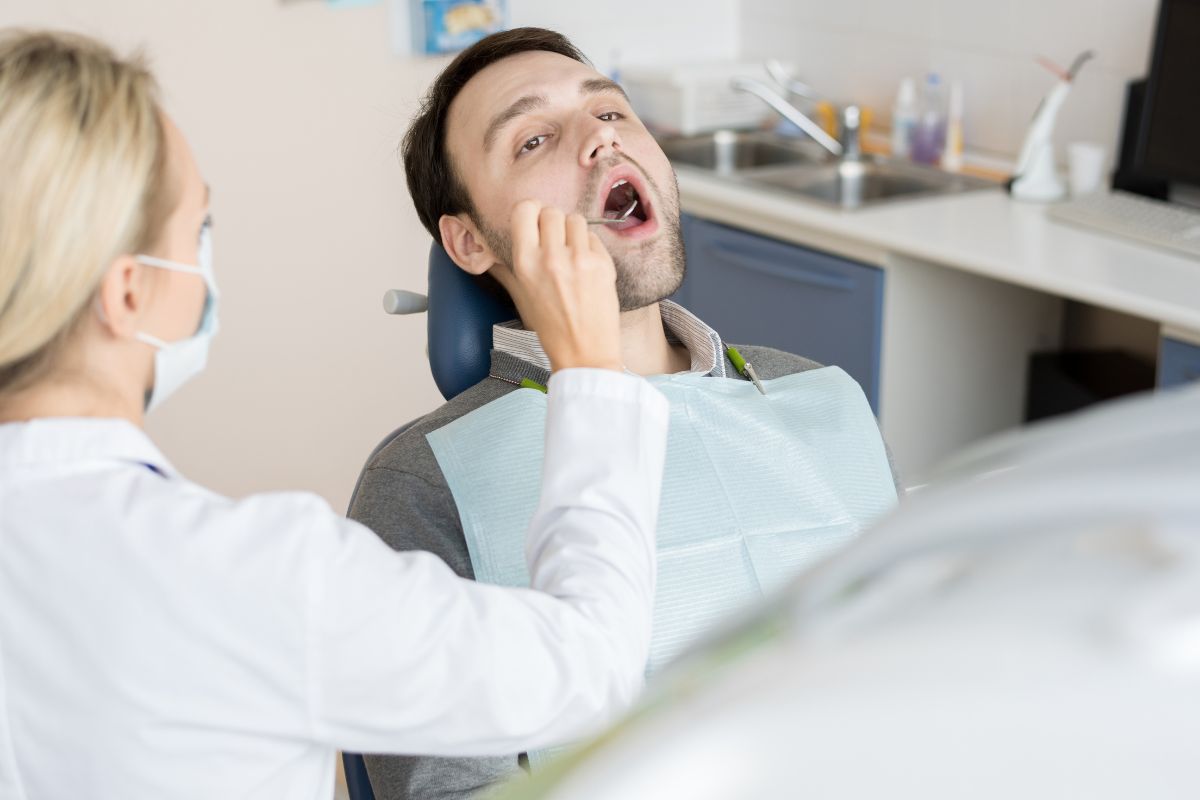
If you’re experiencing these symptoms, a Dentist Delray beach patients can turn to for an evaluation may help determine whether grinding, tooth damage, or another oral health concern is contributing to the discomfort.
Signs That Stress May Be Affecting Your Teeth and Jaw
Teeth grinding doesn’t always make a noticeable sound. You may not even realize it’s happening until symptoms appear.
Watch for these common signs:
- Jaw soreness in the morning: Your jaw muscles may feel tight or tired when you wake up.
- Frequent headaches: Tension around the temples may accompany nighttime grinding.
- Tooth sensitivity: Repeated pressure can contribute to enamel wear or aggravate existing dental problems.
- Worn or chipped teeth: Grinding can gradually damage tooth surfaces and restorations.
- Clicking or popping sounds: Jaw joint sounds may occur with movement, although painless clicking alone does not always require treatment.
- Facial muscle discomfort: You may notice tenderness around your cheeks, temples, or ears.
Quick self-check: Do you catch yourself clenching your teeth while driving, working at your computer, or concentrating on a task? Noticing this habit is a useful first step toward changing it.
What Can You Do at Home to Relieve Jaw Tension?
If stress-related clenching is contributing to your discomfort, a few daily adjustments may help reduce muscle strain. These steps are not a substitute for an examination when symptoms persist.
Practice Relaxing Your Jaw
Keep your jaw relaxed when you’re not eating or speaking. Your teeth should generally remain slightly apart, with your lips resting comfortably together.
Try placing a reminder on your phone or computer to check whether you’re clenching during the day.
Use a Warm Compress
Applying a comfortably warm compress to the side of your face may help relax tight jaw muscles. Avoid excessive heat, and stop if it increases discomfort.
Choose Softer Foods During Flare-Ups
If your jaw feels sore, temporarily choose foods that require less chewing. Avoid chewing gum, biting hard foods, or opening your mouth excessively while symptoms are active.
Build a Calming Bedtime Routine
Stress management may help reduce some clenching behaviors and support better sleep.
Consider:
- Taking a few slow, deep breaths before bed.
- Stretching gently or practicing relaxation exercises.
- Limiting caffeine later in the day if it affects your sleep.
- Keeping a consistent sleep schedule.
These habits can support your overall well-being, although they may not eliminate grinding entirely.
When Should You Seek Dental Advice?
Occasional jaw tension may settle with simple adjustments, but ongoing symptoms deserve attention. A dental evaluation can help identify tooth damage, gum problems, bite-related concerns, or signs of bruxism.
Schedule an appointment if you notice:
- Jaw pain that keeps returning or does not improve.
- Persistent morning headaches or facial soreness.
- Increased tooth sensitivity or visible tooth wear.
- Cracked teeth, damaged fillings, or other dental injuries.
- Difficulty chewing or opening your mouth comfortably.
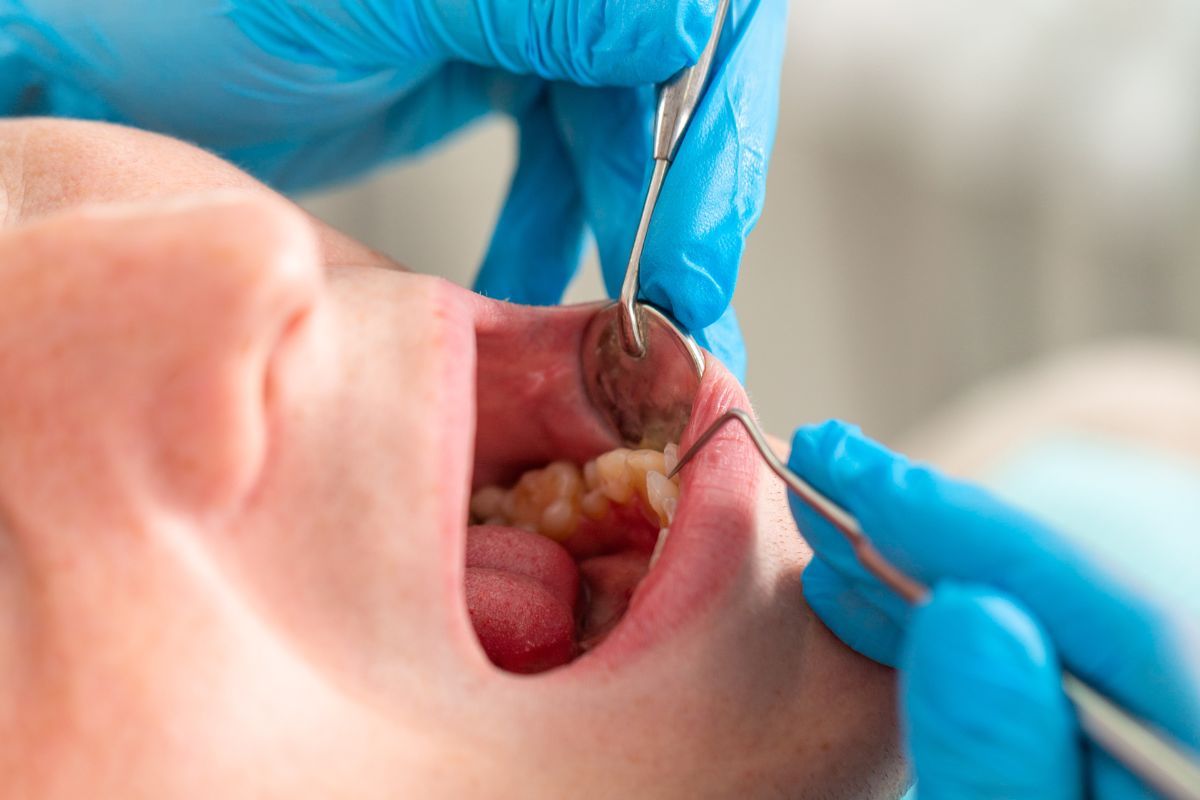
A dental professional may examine your teeth, jaw muscles, and bite and ask about your sleep habits, medications, and stress levels.
Important: Seek urgent medical care if jaw pain occurs with chest pressure, shortness of breath, sweating, or pain spreading to your arm or back. Sudden severe jaw symptoms, significant facial swelling, or an inability to open your mouth also warrant prompt assessment.
How Can a Dentist Help With Teeth Grinding?
Treatment depends on what’s causing your symptoms and how much damage has occurred. Your dental team may recommend a personalized approach that addresses both discomfort and tooth protection.
Possible options include:
- A custom night guard: An individually fitted appliance may protect your teeth from grinding damage during sleep.
- Repairing damaged teeth: Depending on the severity, treatment may be needed for chipped teeth, worn surfaces, or damaged restorations.
- Jaw care guidance: Gentle exercises, habit changes, or referral for physical therapy may be appropriate for certain jaw problems.
- Further evaluation: Persistent jaw joint symptoms may require assessment by a clinician experienced in temporomandibular disorders.
A night guard can protect teeth, but it does not necessarily stop the underlying grinding behavior. Your treatment plan should reflect your symptoms and individual needs.
Why Local Dental Care Matters in Delray Beach
Between work, family commitments, and enjoying the outdoors in South Florida, it can be easy to put jaw discomfort on the back burner. But recurring pain can interfere with eating, sleeping, and everyday activities.
Having access to a local dental practice makes it easier to discuss persistent symptoms, check for tooth damage, and understand your options before the problem becomes more disruptive.
If you live in Delray Beach or nearby communities, consider scheduling an evaluation when jaw soreness, grinding, or tooth sensitivity starts affecting your daily routine.
Frequently Asked Questions
Can stress cause teeth grinding during sleep?
Yes. Stress and anxiety can contribute to sleep-related teeth grinding, although sleep disorders, medications, and other factors may also play a role.
How do I know if I’m grinding my teeth at night?
Morning jaw soreness, headaches around the temples, tooth sensitivity, and visible tooth wear can be clues. A sleeping partner may also hear grinding sounds, but an examination is needed to assess possible damage.
Can teeth grinding cause permanent damage?
Yes. Persistent grinding can wear down enamel, crack teeth, damage restorations, and contribute to jaw muscle discomfort. Early evaluation can help reduce the risk of further damage.
Will a night guard stop my jaw pain?
A properly fitted night guard may protect your teeth and help some people manage symptoms. However, results vary, and a guard may not resolve every cause of jaw pain.
Should I see a dental professional for occasional jaw clicking?
Painless clicking without other symptoms is common and does not always require treatment. If clicking occurs with pain, locking, limited movement, or difficulty chewing, arrange an evaluation.
Take the Pressure Off Your Jaw
Stress may be part of everyday life, but persistent jaw pain and teeth grinding shouldn’t become something you simply learn to live with. Recognizing the symptoms early can help protect your teeth and make everyday activities more comfortable.
At Ocean Dental Studio, you can discuss your concerns and explore appropriate options for protecting your oral health. Book an appointment today if jaw discomfort, tooth sensitivity, or suspected grinding is affecting your routine. A professional evaluation can help you understand what’s happening and decide on the next steps.