Same-Day Appointments Available!


The Stress-Free Path To Dental Health: 5 Key Benefits Of Sedation
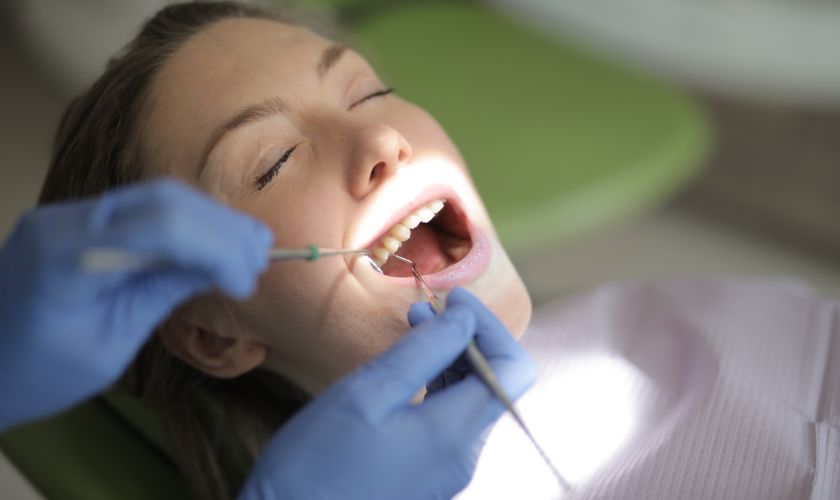
For many, a visit to the dentist can evoke feelings of anxiety and stress. Recognizing the impact of these emotions on oral health, sedation dentistry has emerged as a valuable solution, providing a stress-free path to dental care.Sedation dentistry is not just about easing immediate fears; it’s a gateway to a lifetime of optimal oral health. By acknowledging and addressing the barriers that prevent individuals from seeking dental care, sedation dentistry transforms routine visits into stress-free and comfortable experiences. The stress-free path it provides opens the door for individuals to overcome anxiety, experience pain-free procedures, and access dental care without reservations.
In this blog, we explore the five key benefits of dental sedation, demystifying the process and highlighting its transformative effects on both patient experience and overall oral health. Embrace the benefits of sedation dentistry, and embark on a relaxing path to lasting oral health and a beautiful smile.
Overcoming Dental Anxiety: A Calm Start to Care
Understanding Dental Anxiety
Dental anxiety is a common barrier to seeking regular dental care. It can stem from various sources, including fear of pain, past traumatic experiences, or a general sense of unease associated with dental procedures.
Sedation’s Soothing Effect
One of the primary benefits of sedation dentistry is its ability to create a calm and relaxed state for patients. Whether it’s mild sedation for minimal anxiety or deeper sedation for those with profound fear, the result is a more comfortable and stress-free dental experience.
Pain-Free Procedures: Enhancing Comfort
Eliminating Pain Perception
The fear of pain is a significant factor that keeps individuals from visiting the dentist. Sedation dentistry ensures that patients experience little to no discomfort during dental procedures, making it easier for them to commit to regular check-ups and treatments.
Optimal Conditions for Treatment
By minimizing pain perception, sedation dentistry allows dentists to perform procedures more efficiently. Patients benefit from shorter treatment times, and dentists can address multiple issues in a single visit, reducing the overall number of appointments needed.
Improved Cooperation in Special Cases: Pediatric and Special Needs Dentistry
Pediatric Dentistry
Children, in particular, may find dental visits overwhelming. Sedation helps create a cooperative and relaxed state, making it easier for pediatric dentists to conduct thorough examinations and treatments.
Special Needs Dentistry
Patients with special needs, who may face challenges with communication or cooperation during dental visits, also benefit from sedation. It ensures a smooth and stress-free experience for both the patient and the dental team.
Enhanced Treatment Precision: Creating an Optimal Environment
Reducing Movements and Anxiety-Induced Complications
Some dental procedures require precise movements and a patient’s cooperation. Sedation minimizes involuntary movements and anxiety-induced complications, allowing the dentist to work in a controlled environment and achieve optimal treatment outcomes.
Facilitating Complex Treatments
For more complex treatments, such as oral surgery or extensive restorative procedures, sedation provides the necessary conditions for dentists to work with precision. This is especially beneficial for patients requiring comprehensive dental work.
Memory Blockade: Erasing Unpleasant Experiences
Minimizing Traumatic Memories
For individuals with past traumatic dental experiences, the memory of discomfort or pain can create a lasting aversion to dental care. Sedation dentistry helps block or minimize these memories, creating a more positive association with dental visits.
Promoting Future Dental Compliance
By erasing or reducing negative memories, sedation encourages individuals to return for regular dental check-ups and treatments, promoting long-term oral health and preventive care.
Conclusion: A More Comfortable Way to Care for Your Oral Health
Dental anxiety should not stand between you and the care your teeth and gums need. Sedation dentistry can help create a calmer, more comfortable experience for patients who feel nervous, have a strong fear of dental treatment, or need extensive procedures. From easing anxiety and improving comfort to helping patients remain relaxed during complex treatments, sedation can make dental visits feel more manageable.
If fear or past dental experiences have kept you from scheduling an appointment, talk with your dentist about whether sedation is right for you. With the appropriate sedation option and professional guidance, you can take the next step toward maintaining healthy teeth and gums without unnecessary stress.
Frequently Asked Questions About Sedation Dentistry
1. What is sedation dentistry?
Sedation dentistry uses medication to help patients feel calm and relaxed during dental treatment. Depending on the procedure and the patient’s needs, different levels of sedation may be available. Your dentist will determine the appropriate option based on your medical history, anxiety level, and planned treatment.
2. Who can benefit from dental sedation?
Dental sedation may benefit people who experience dental anxiety, have a strong fear of dental procedures, have difficulty sitting comfortably during treatment, or need extensive dental work. It may also be considered for patients who have had unpleasant dental experiences in the past.
3. Does sedation dentistry completely eliminate pain?
Sedation primarily helps patients feel relaxed and less aware of the procedure. It does not necessarily replace local anesthesia, which is commonly used to numb the treatment area and control pain. Your dentist can explain how sedation and anesthesia may be used together for your specific procedure.
4. Is sedation dentistry safe?
Sedation can be safe when it is properly selected and administered by a qualified dental professional. Before treatment, your dentist should review your medical history, medications, and overall health to determine whether sedation is appropriate and how you should prepare.
5. How long does it take to recover from dental sedation?
Recovery time depends on the type and level of sedation used. Some patients may feel drowsy for several hours afterward. Your dental team will provide specific aftercare instructions, including whether you need someone to drive you home and when you can safely resume normal activities.