Same-Day Appointments Available!


Root Canal Treatment for Older Adults: What You Should Know
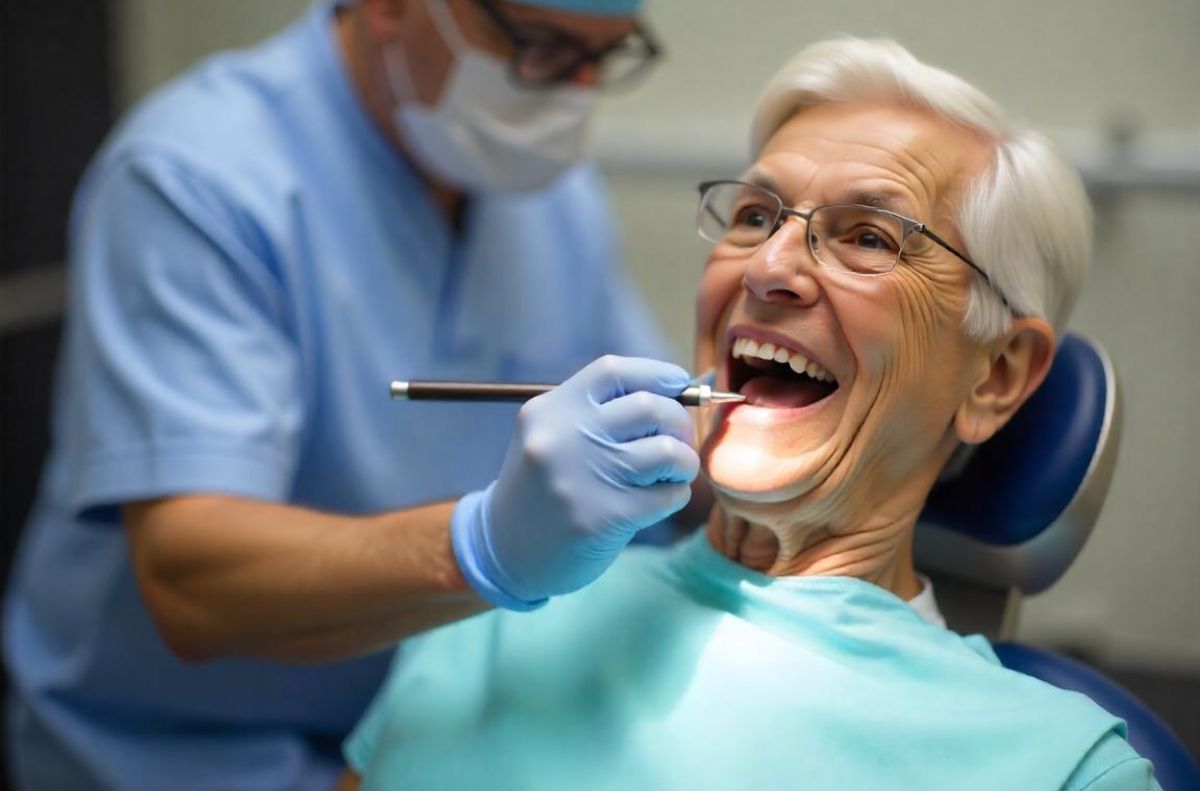
As we age, maintaining good oral health becomes even more important, yet it can also become more challenging. For older adults, routine dental issues may become more frequent, with conditions like tooth decay, gum disease, and infections becoming more prevalent. One procedure that may become necessary for older adults is a root canal treatment. If you’re facing dental issues or have been advised to consider a root canal, it’s essential to understand how this treatment works and how it can benefit your oral health, especially in your later years.
Why Is Root Canal Treatment Important for Older Adults?
For older adults, maintaining your natural teeth is essential not only for aesthetic reasons but also for overall health. Teeth that are damaged or infected can lead to more serious health issues, such as infections spreading to other parts of the body. Additionally, tooth loss can negatively impact the ability to chew, which can affect nutrition and quality of life. Root canal treatment offers an effective solution to avoid these complications.
Over time, teeth may experience more wear and tear, and the risk of root infections increases. Older adults may also have more complex medical histories, which can make dental issues harder to address. Root canal treatment can prevent the need for tooth extractions, which are particularly challenging for older individuals, especially when it comes to replacing missing teeth with implants or dentures.
Signs That You May Need Root Canal Treatment
Older adults should be particularly vigilant when it comes to signs of tooth infections. If you are experiencing any of the following symptoms, you may need to visit a dentist for an evaluation:
- Persistent tooth pain or sensitivity, particularly to hot or cold.
- Swelling or tenderness in the gums near a specific tooth.
- Discoloration of the tooth (darkening or blackening).
- A pimple-like bump on the gums, which could be a sign of infection.
- Pain while chewing or touching the affected tooth.
These are all signs that your tooth may need a root canal. Delaying treatment can lead to more severe pain, swelling, or even tooth loss.
The Root Canal Process for Older Adults
If you require root canal treatment in Boynton Beach, understanding what the procedure entails is important to ease any concerns. A root canal typically involves multiple steps, but it’s usually performed in one or two visits.
First, the dentist will take X-rays to examine the extent of the infection and ensure the tooth can be treated. Local anesthesia is applied to ensure the area is numb and pain-free. The dentist then creates a small opening in the tooth to remove the damaged or infected pulp. Once cleaned, the dentist fills the tooth with a special material to seal it and prevent further infection. In most cases, a crown is placed over the tooth to restore its structure and function.
After the procedure, you may experience some discomfort or mild swelling, but this usually subsides within a few days. Your dentist will provide instructions for care and follow-up appointments to monitor the healing process.
Benefits of Root Canal Treatment for Older Adults
The primary benefit of root canal treatment is that it helps preserve your natural tooth. As we age, losing teeth can lead to various problems, including difficulty eating, speaking, and maintaining a confident smile. Root canal therapy can eliminate the need for extraction and allow older adults to keep their teeth functioning for years.
Root canal treatment also prevents the spread of infection, which could have serious consequences if left untreated. Infections that spread to the jawbone or other areas can lead to even more complex health issues, including bone loss or systemic infections. By addressing dental infections early through root canal treatment, you can avoid more significant problems.
Additionally, saving your tooth through root canal therapy helps maintain your bite alignment and chewing function. When teeth are extracted, it can cause the remaining teeth to shift, which can affect your bite, leading to further complications.
Post-Treatment Care and Considerations for Older Adults
After a root canal treatment, older adults should follow the care instructions provided by their dentist to ensure a smooth recovery. Avoid eating hard foods on the treated tooth for a few days, and maintain good oral hygiene practices, including brushing and flossing gently around the treated area. Regular dental visits are essential to monitor the healing process and prevent future complications.
If you have other health conditions or are on medication, be sure to inform your dentist. Certain medications, like blood thinners, may affect the healing process, so it’s important to discuss your medical history with your dentist before undergoing any dental procedure.
Conclusion
Root canal treatment can be an effective and necessary procedure for older adults who want to maintain their oral health. It offers a tooth-saving solution that can help prevent infection and preserve your smile for many more years. If you’re experiencing symptoms of a tooth infection or are concerned about the health of your teeth, don’t hesitate to contact your dentist for an evaluation. Root canal treatment in Boynton Beach can provide you with the relief you need, allowing you to maintain optimal oral health as you age.