Same-Day Appointments Available!


Foods to Eat and Avoid After Root Canal Treatment: Know from a Dentist
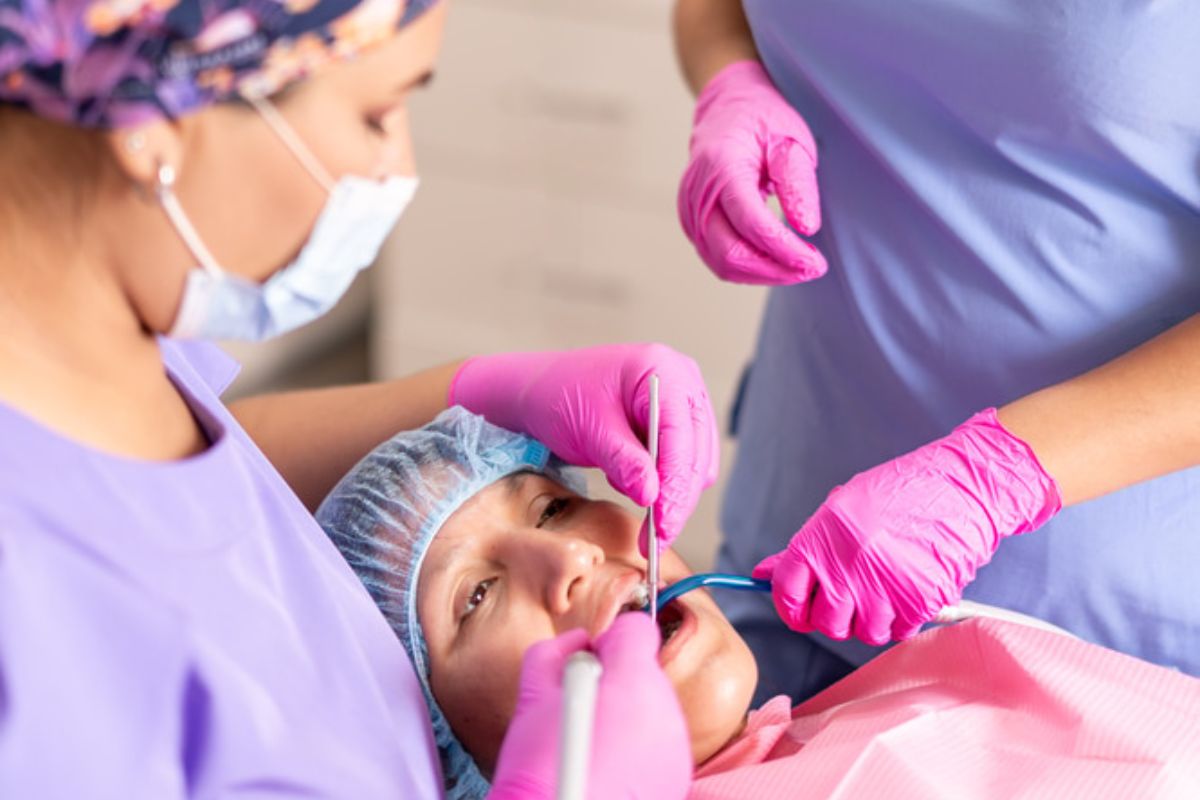
Recovering from a root canal treatment requires attention to your diet to ensure proper healing and minimize discomfort. For those in Boynton Beach, understanding what foods to eat and avoid after a root canal treatment can make a significant difference in the recovery process. Let’s explore the dietary recommendations that will help maintain your oral health and ease your recovery.
Importance of Diet After a Root Canal Treatment
Your mouth needs time to heal after a root canal. The area around the treated tooth might be sensitive, and eating the wrong foods can irritate it or delay the healing process. Following the right dietary guidelines not only protects the treated area but also ensures that your overall oral health remains intact.
Foods to Eat for a Smooth Recovery
Soft and nutrient-rich foods are ideal for the first few days following your root canal. These foods are gentle on your teeth and gums while providing the nourishment your body needs for recovery. Options such as mashed potatoes, yogurt, and scrambled eggs are excellent choices. Soups and broths can also be soothing and easy to consume.
Additionally, smoothies made with fresh fruits and vegetables can provide essential vitamins and minerals while being easy to swallow. Be sure to avoid using a straw, as the suction can put undue pressure on your healing tooth. Foods that require minimal chewing and are rich in calcium and protein can also aid in strengthening your teeth and gums.
Foods to Avoid After a Root Canal
Certain foods can hinder your healing process by causing irritation or increasing the risk of infection. Hard, crunchy foods like nuts, chips, and raw vegetables should be avoided, as they can damage the temporary filling or irritate the sensitive area. Similarly, sticky and chewy foods, such as caramel or gummy candies, might pull on the filling or be difficult to clean from your teeth.
Hot and spicy foods can also cause discomfort due to their tendency to irritate sensitive tissues. Be mindful of sugary foods and beverages, as these can promote bacterial growth and compromise your oral health. For the best results, stick to bland and soft foods until your dentist advises otherwise.
How Long Should You Follow Dietary Restrictions?
Our dentist in Boynton Beach will likely recommend adhering to a soft-food diet for a few days after your root canal treatment. Once the sensitivity subsides and the permanent crown or filling is placed, you can gradually return to your regular diet. However, always prioritize foods that promote oral health and minimize the risk of damage to your teeth.
Maintaining Oral Hygiene Post-Treatment
In addition to following dietary guidelines, maintaining proper oral hygiene is crucial after a root canal. Gently brushing and flossing the area around the treated tooth can prevent infection and ensure a speedy recovery. Rinsing with a saltwater solution can also help reduce inflammation and keep the area clean.
When to Consult Your Dentist
If you experience prolonged pain, swelling, or discomfort after your root canal treatment, it’s essential to consult your dentist. They can assess the treated area and provide guidance on any necessary adjustments to your diet or oral care routine. Regular follow-ups are key to ensuring that your recovery is on track.
Trust Your Recovery to Ocean Dental Studio Boynton Beach
For those in Boynton Beach, the team at Ocean Dental Studio Boynton Beach is here to guide you through every step of your recovery. Our experienced dentists ensure that your root canal treatment is successful and provide personalized aftercare instructions to help you heal comfortably. Schedule your consultation with us today to learn more about maintaining optimal oral health.
Final Thoughts
Your diet plays a critical role in the recovery process after a root canal treatment. By making mindful food choices and following your dentist’s advice, you can protect your treated tooth and speed up your healing. Remember to prioritize soft, nutritious foods while avoiding anything that might irritate the sensitive area. With proper care and guidance, you’ll be back to enjoying your favorite meals in no time.