Same-Day Appointments Available!


5 Things You Need To Know Before Getting Dental Veneers
Are you tired of hiding your smile? Dental veneers can give you the perfect teeth you’ve always wanted, but before going through with the procedure, there are a few things you need to know. From cost and durability to maintenance and potential risks, we’ve got all the important details covered in this blog post. So sit back, relax, and let us guide you through everything you need to consider before getting dental veneers!
What are Dental Veneers?
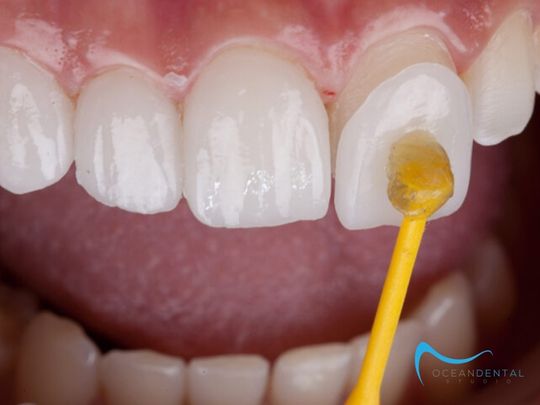
Dental veneers are thin, porcelain shells that are bonded to the front surface of your teeth. They are used to improve the appearance of your smile by changing the color, shape, or size of your teeth. Veneers are an alternative to braces and can be used to correct a variety of cosmetic dental problems.
If you are considering dental veneers, it is important to consult with a cosmetic dentist to determine if they are right for you. During your consultation, your dentist will evaluate your oral health, discuss your goals for treatment, and develop a personalized treatment plan. If you decide to move forward with veneers, your dentist will take impressions of your teeth and prepare them for bonding. The process of placing dental veneers typically takes two visits to the dentist office and results in a beautiful, natural-looking smile.
Benefits of Dental Veneers
If you are considering dental veneers, it is important to be aware of the potential benefits as well as the risks and side effects. Here are some of the key benefits of dental veneers:
- Dental veneers can dramatically improve the appearance of your teeth. If you have stained, chipped, or misshapen teeth, veneers can give you a beautiful, even smile.
- Veneers are durable and long-lasting. With proper care, they can last for many years.
- Veneers are relatively easy to care for. You will need to brush and floss regularly and see your dentist for regular checkups, but there is no special care required for veneers.
- Dental veneers can help protect your teeth from future damage. Because they are bonded to your teeth, they can help to strengthen them and prevent further wear and tear.
What to Consider Before Getting Dental Veneers?
Before you decide to get dental veneers, it’s important to learn about the pros and cons of this cosmetic dentistry procedure. Veneers are thin, tooth-colored shells that are bonded to the front surface of your teeth. They can be used to improve the appearance of your teeth and smile.
However, veneers are not right for everyone. Here are some things you should consider before getting dental veneers:
Your oral health: You must have good oral health to be a candidate for dental veneers. This means you must have healthy gums and enough tooth enamel to support the veneer. If you have gum disease or decay, these conditions must be treated before you can get veneers.
The durability of dental veneers: Veneers are durable and can last for many years with proper care. However, they can become chipped or cracked if you bite your nails, chew on hard objects, or grind your teeth at night (bruxism).
The color of your teeth: Dental veneers can be made in any shade of white. If you want a brighter smile, you may need to whiten your natural teeth before having veneers placed.
Your lifestyle: If you play high-impact sports or participate in activities that could cause trauma to your mouth, you may not be a good candidate for veneers. The same goes for smokers and people who drink excessive amounts of coffee or tea.
Preparation For Getting Dental Veneers
If you’re considering dental veneers, it’s important to know what to expect during the preparation process. Here’s what you need to know before getting dental veneers:
First, your dentist will need to take an impression of your teeth. This will be used to create a custom-fit set of veneers.
Next, your teeth will be prepped for the veneers. This usually involves lightly sanding down the enamel on the front surfaces of your teeth. This ensures that the veneers will adhere properly and look natural once in place.
Once your teeth are prepped, the actual veneers will be placed on top. They’ll be bonded into place using a special adhesive.
Finally, you’ll need to have a follow-up appointment with your dentist to make sure that the veneers are fitting well and that there are no problems with them.
Aftercare Tips For Maintaining Your Dental Veneers
Aftercare Tips For Maintaining Your Dental Veneers
Dental veneers are a great way to improve your smile and they can last for many years with proper care. Here are some tips on how to take care of your dental veneers:
• Avoid chewing on hard objects such as ice or hard candy. This can damage the veneers.
• Brush and floss your teeth regularly. This will help keep your mouth healthy and prevent cavities from forming under the veneers.
• Visit your dentist regularly for checkups and cleanings. This will help ensure that your veneers stay in good shape.
• If you play sports, wear a mouthguard to protect your veneers from being damaged by a flying object or impact.
Following these tips will help you maintain your dental veneers and keep them looking their best for many years to come!
Alternatives to Dental Veneers
If you’re considering dental veneers, you may be wondering if there are any alternatives. While veneers are a popular choice for many people, they may not be the right option for everyone. Here are some alternative treatments to consider:
- Dental bonding: Dental bonding is a procedure in which a tooth-colored resin is applied to the surface of the tooth and hardened with a UV light. This can improve the appearance of the tooth and protect it from further damage.
- Tooth contouring: Tooth contouring is a procedure that can reshape your teeth by removing small amounts of enamel. This can be used to correct minor imperfections in your smile.
- Teeth whitening: Teeth whitening is a popular cosmetic procedure that can help make your teeth look brighter and whiter. There are many different ways to whiten your teeth, including at-home kits and professional treatments.
- Invisalign: Invisalign is an alternative to traditional braces that uses clear, removable aligners to straighten your teeth over time. This treatment is virtually invisible and can be removed for eating and brushing your teeth.
- Porcelain crowns: Porcelain crowns are another option for covering up damaged or discolored teeth. Crowns are made from porcelain or ceramic materials and are custom-made to fit over your existing teeth.
Conclusion
Dental veneers are a great option to improve your smile and boost your self-confidence. However, it’s important to understand the risks and benefits of getting them before you make a decision. We hope that this article has helped you gain some insight into what dental veneers are, how they work, and how much they cost so that you can make an informed decision about whether or not this is the right choice for you. Good luck with finding the perfect solution for enhancing your smile!
FAQs
Q. What are dental veneers?
A. Dental veneers are thin, custom-made shells that cover the front surface of your teeth. They’re used to improve the appearance of your smile and can be made from porcelain or composite resin material.
Q. How long do dental veneers last?
A. On average, porcelain veneers can last between 10 and 15 years, while composite resin veneers typically last between 5 and 7 years. However, it’s important to note that how long your veneers last will depend on how well you take care of them.
Q. Are there any risks associated with getting dental veneers?
A. There are very minimal risks associated with getting dental veneers. The most common complication is that the veneer may not bond properly to the tooth, which can lead to it becoming loose or falling off entirely. In rare cases, the tooth may also become damaged during the procedure.