Same-Day Appointments Available!


Your Dental Checkup Checklist: Understanding The Routine Procedures

Regular dental checkups are a fundamental aspect of maintaining good oral health. Yet, for many, the thought of a visit to the dentist’s office can evoke anxiety or uncertainty. What exactly happens during a dental checkup? Why are these routine procedures so important?
In this comprehensive guide, we’ll take you through the essential components of a dental checkup, demystify the common procedures involved, and explain why they are crucial for preserving your oral well-being. Whether you’re a regular attendee or someone considering their first dental visit, this article will equip you with the knowledge and understanding needed to make your dental checkup a stress-free and informed experience. So, let’s begin by unraveling the mysteries of the dental checkup checklist.
Pre-Check Up Preparation
Before you head to your dental appointment, there are a few things you can do to ensure a smooth and effective checkup. Here are some tips for pre-checkup preparation:
- Brush and Floss
Ensure your teeth are clean before your appointment. Brushing and flossing before a dental checkup removes plaque and debris, reducing the risk of cavities and gum disease. This proactive oral care promotes a cleaner, healthier mouth, enabling the dentist to assess your teeth and gums more effectively, leading to better overall dental health. This will make it easier for the dentist to examine your teeth and gums.
Right Technique Of Brushing Recommended By Dentists
- Hold your toothbrush 45 degrees away from your gum line.
- Use brief, tooth-wide strokes to gently move the brush back and forth.
- The chewing, inner, and exterior surfaces of the teeth should all be brushed.
- Make numerous up-and-down strokes with the brush tilted vertically to clean the inside surfaces of the front teeth.
How to Brush Properly? Source: American Dental Association (ADA)
- Arrive Early
Being punctual for your appointment allows you to complete the necessary paperwork and reduces stress.
- Share Your Concerns
If you have any specific dental concerns or problems, communicate them to your dentist. Whether it’s tooth sensitivity, gum issues, or cosmetic concerns, sharing your worries will help your dentist tailor the checkup to your needs.
Common Routine Procedures
During a typical dental checkup, several routine procedures are performed to evaluate oral health. Understanding these procedures can alleviate any anxiety or uncertainty about your dental appointment. Here are the common routine procedures:
Dental Examination
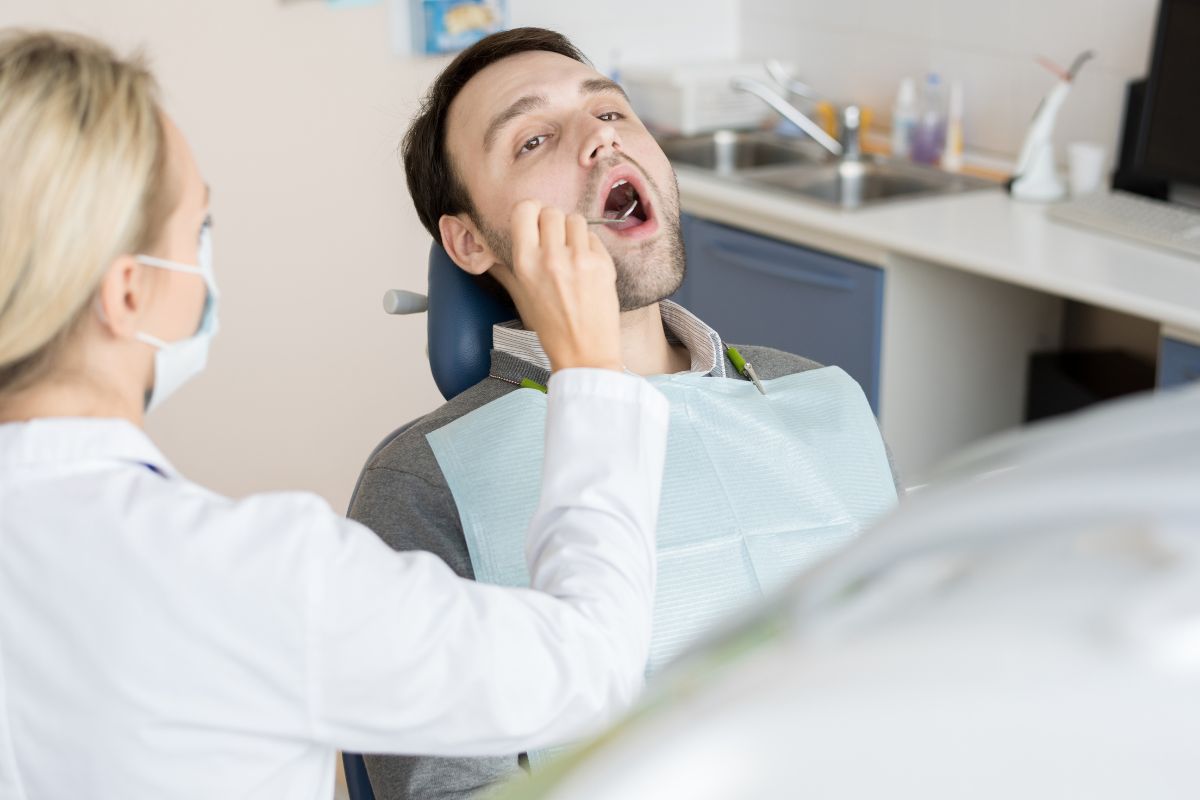
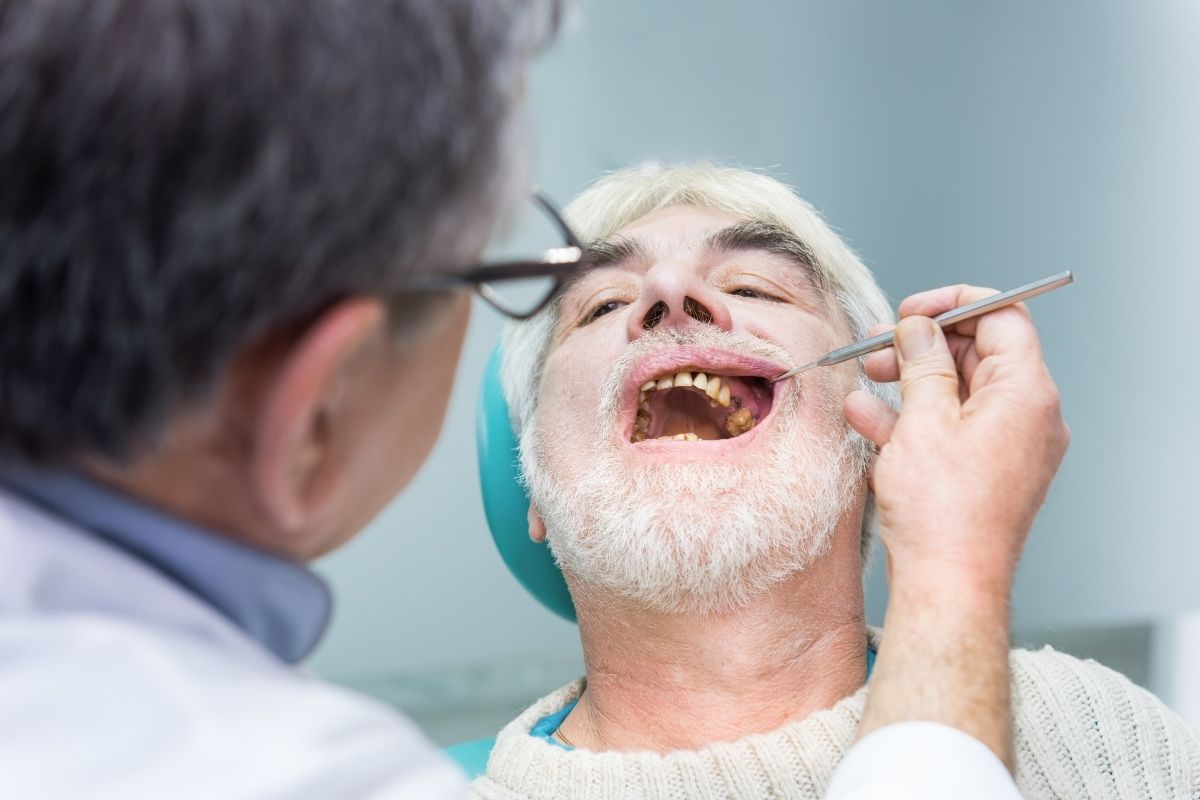
This is the core of the checkup. The dentist will visually inspect your teeth and gums, looking for any signs of decay, gum disease, or other issues. They may use a dental mirror to access hard-to-reach areas.
X-rays
Dental X-rays provide a more detailed view of your teeth and bones. They can reveal issues that are not visible during the visual examination. X-rays are essential for detecting cavities, gum disease, and other dental problems.
Teeth Cleaning
Dental hygienists will perform a thorough cleaning of your teeth, removing plaque and tartar buildup. They will also polish your teeth to remove stains and leave your smile looking and feeling refreshed.
Gum Disease Evaluation
Your dentist will assess the health of your gums by measuring the space between your teeth and gums. This process helps identify signs of gum disease.
During a dental checkup, gum disease evaluation involves measuring pocket depths around teeth using a probe. Healthy pockets are shallow, while deeper pockets may indicate gum disease. Dentists also assess signs like bleeding, inflammation, and recession. X-rays and visual examination aid in comprehensive evaluation, facilitating appropriate treatment planning.
Oral Cancer Screening
During the checkup, the dentist will examine your mouth, tongue, and throat for any signs of oral cancer. This is a vital part of the checkup, as early detection can be life-saving.
Importance Of Dental Checkup
It’s not uncommon for people to wonder why routine dental procedures are necessary. Understanding their significance can help put your mind at ease:
Prevention and Early Detection
Routine dental checkups are not only about addressing existing issues but also preventing future problems. By catching dental issues early, treatment is often less invasive and less expensive.
Oral Health Connection to Overall Health
Many systemic health conditions have links to oral health. For example, gum disease has been associated with heart disease, diabetes, and other health problems. Regular checkups can help identify and manage these connections.
Maintaining a Beautiful Smile
Routine cleanings and exams can help keep your smile bright and attractive. Stains, tartar, and plaque can be removed, and your dentist can offer cosmetic solutions to address any concerns.
Addressing Fears and Misconceptions
Some people have fears or misconceptions about dental visits. Understanding that dental checkups are relatively painless and non-invasive can help alleviate these concerns.
Post-Checkup Care
After your dental checkup, it’s essential to continue taking care of your oral health. Here are some post-checkup care tips:
Maintain Good Oral Hygiene
Continue to brush and floss your teeth regularly. Your dentist may recommend specific oral care practices based on your checkup.
Follow the Recommendations of Your Dentist
If your dentist identifies any issues during the checkup, follow their recommendations for treatment or further procedures. Timely action can prevent problems from getting worse.
Stay Hydrated
Drinking water is crucial for good oral hygiene as it helps rinse away food particles, bacteria, and acids that can lead to tooth decay and gum disease. Water also helps maintain saliva production, which neutralizes acids, remineralizes enamel, and prevents dry mouth, promoting a healthier oral environment.
Watch Your Diet
- Calcium-rich foods: Consume dairy products, leafy greens, and fortified foods for strong teeth and bones.
- Phosphorus Sources: Include fish, eggs, lean meat, and dairy for phosphorus that supports tooth enamel.
- Vitamin C-Rich Foods: Fruits and vegetables like oranges, strawberries, and bell peppers boost gum health.
- Vitamin D Sources: Sun exposure, fatty fish, and fortified foods aid in calcium absorption.
- Limit Sugary Foods: Minimize sugary snacks and beverages to prevent tooth decay.
- Crunchy Fruits and Vegetables: Apples, carrots, and celery can help clean teeth naturally.
- Green Tea: It contains antioxidants that may benefit gum health.
- Limit Acidic Foods: Reduce intake of acidic foods and drinks to protect tooth enamel.
- Regular Meals: Maintain a balanced diet with regular meals to promote overall health, including oral well-being.
Quit Smoking
Quitting smoking significantly benefits teeth and gum health by reducing the risk of gum disease, tooth loss, and oral cancers. Smoking hampers blood flow, impairs immune function, and contributes to dry mouth, making it easier for bacteria to thrive. Quitting promotes better circulation, improved immune response, and overall oral health enhancement.
Final Thought To Remember
Your dental checkup is not just about the occasional toothache or quick teeth cleaning; it’s an essential part of maintaining optimal oral health. Routine dental procedures, such as examinations, X-rays, cleanings, and oral cancer screenings, are your allies in preventing and addressing dental issues. By understanding the importance of these procedures, preparing for your checkup, and following post-checkup care advice, you can keep your smile radiant and your oral health in shape.
Remember, regular dental checkups are the cornerstone of a beautiful, healthy smile and overall well-being. Don’t wait until problems arise; schedule your next checkup today and take a proactive step toward a healthier, happier you.