Same-Day Appointments Available!


5 Things a Dental Hygienist Does
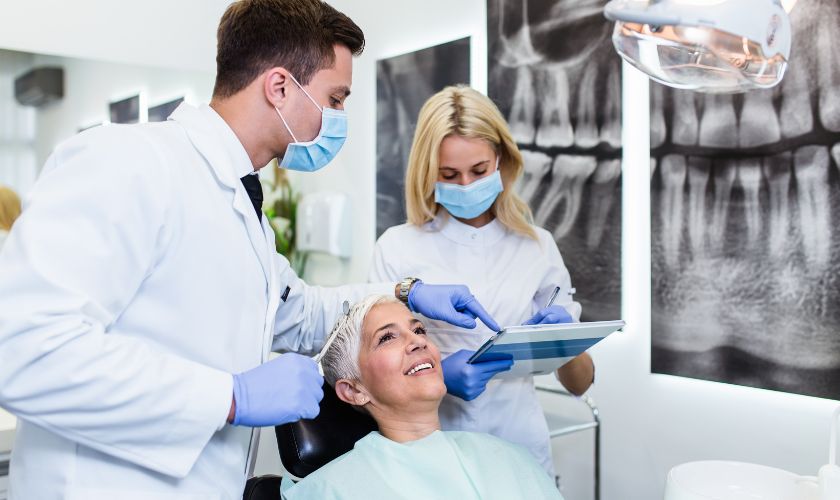
A dental hygienist plays a crucial role in maintaining and improving oral health. While many people are familiar with the general duties of a dental hygienist, there are several key responsibilities that often go unnoticed.
This blog will delve into five essential tasks that dental hygienists perform, highlighting their importance in the dental care team and their impact on patient health.
1. Performing Dental Cleanings
One of the primary duties of a dental hygienist is performing dental cleanings, also known as prophylaxis. This involves removing plaque, tartar, and stains from the teeth to prevent cavities, gum disease, and other oral health issues. Dental hygienists use specialized tools such as scalers and ultrasonic instruments to clean teeth above and below the gumline.
During a cleaning, the hygienist will:
- Examine the patient’s teeth and gums: Before starting the cleaning process, the hygienist conducts a thorough examination to identify any signs of decay, gum disease, or other oral health issues. This initial assessment helps in tailoring the cleaning process to the patient’s specific needs.
- Remove plaque and tartar: Using manual and ultrasonic tools, the hygienist meticulously removes plaque and tartar buildup. This step is crucial in preventing periodontal disease and maintaining overall oral health.
- Polish the teeth: After removing plaque and tartar, the hygienist polishes the teeth to remove surface stains and smooth the tooth surfaces. Polishing not only enhances the appearance of the teeth but also makes it harder for plaque to accumulate.
- Apply fluoride treatment: In many cases, a fluoride treatment is applied to strengthen the teeth and protect them from decay. This step is particularly important for patients who are at a higher risk of developing cavities.
2. Conducting Oral Health Assessments
Dental hygienists are trained to conduct comprehensive oral health assessments. These assessments are vital for detecting early signs of oral health problems and providing appropriate interventions. An oral health assessment typically includes:
- Reviewing medical history: Understanding a patient’s medical history is essential for identifying risk factors that may affect oral health. The hygienist reviews any existing medical conditions, medications, and lifestyle habits that could impact the patient’s oral health.
- Oral cancer screening: Dental hygienists are often the first line of defense in detecting oral cancer. During an examination, the hygienist checks for any abnormal lumps, sores, or discolored tissues in the mouth, throat, and surrounding areas.
- Periodontal evaluation: Assessing the health of the gums and supporting structures is a critical component of an oral health assessment. The hygienist measures the depth of the gum pockets around the teeth to detect signs of periodontal disease.
- Taking dental x-rays: X-rays provide valuable information that cannot be seen during a regular visual examination. Dental hygienists take and interpret x-rays to identify hidden issues such as tooth decay, bone loss, and impacted teeth.
3. Educating Patients on Oral Hygiene
Education is a fundamental aspect of a dental hygienist’s role. By educating patients on proper oral hygiene practices, hygienists empower individuals to take control of their oral health. This educational component includes:
- Demonstrating proper brushing and flossing techniques: Many people are unaware of the correct methods for brushing and flossing. Dental hygienists provide hands-on demonstrations and personalized tips to help patients improve their at-home oral care routines.
- Recommending oral care products: With the vast array of oral care products available, it can be challenging for patients to choose the right ones. Dental hygienists offer recommendations based on individual needs, such as toothbrush types, toothpaste, mouth rinses, and interdental cleaning tools.
- Discussing the impact of diet on oral health: Nutrition plays a significant role in maintaining oral health. Hygienists educate patients about the effects of sugary and acidic foods on the teeth and gums, and offer advice on making healthier dietary choices.
- Providing smoking cessation support: Tobacco use is a major risk factor for oral health problems, including gum disease and oral cancer. Dental hygienists provide resources and support for patients who want to quit smoking, highlighting the benefits for their oral and overall health.
4. Assisting the Dentist During Procedures
Dental hygienists often assist dentists during various procedures, ensuring that the process runs smoothly and efficiently. This collaboration includes:
- Preparing the treatment room: Before the dentist in Boynton Beach begins a procedure, the hygienist sets up the treatment room, ensuring that all necessary instruments and materials are ready and sterile.
- Assisting during procedures: During dental procedures such as fillings, extractions, and root canals, the hygienist provides chairside assistance. This may involve handing instruments to the dentist, suctioning saliva, and ensuring the patient’s comfort.
- Taking impressions: For procedures that require dental impressions, such as creating crowns, bridges, or dentures, the hygienist takes accurate impressions of the patient’s teeth and gums.
- Providing post-operative care instructions: After a procedure, the hygienist explains the post-operative care instructions to the patient, ensuring they understand how to manage any discomfort and promote healing.
5. Managing Patient Records
Accurate record-keeping is essential in dental practice. Dental hygienists are responsible for maintaining comprehensive patient records, which include:
- Documenting findings: The hygienist records all findings from the oral health assessment, including any signs of decay, gum disease, or other abnormalities. This documentation is crucial for tracking the patient’s oral health over time.
- Updating medical history: Keeping an up-to-date record of the patient’s medical history ensures that the dental team is aware of any changes that could affect treatment plans and oral health.
- Recording treatment details: Every cleaning, procedure, and patient interaction is meticulously documented. This record provides a detailed history of the patient’s dental care and is essential for continuity of care.
- Scheduling follow-up appointments: Dental hygienists often handle scheduling follow-up appointments and ensuring that patients adhere to their recommended dental care routines.
Conclusion
Dental hygienists are integral to the dental care team, performing a wide range of tasks that go beyond cleaning teeth. Their expertise in conducting oral health assessments, educating patients, assisting during procedures, and managing patient records ensures that patients receive comprehensive and high-quality care. By understanding the full scope of a dental hygienist’s responsibilities, we can better appreciate their essential role in promoting and maintaining oral health.