Same-Day Appointments Available!


Immediate Things to Do if Your Tooth Dislodged
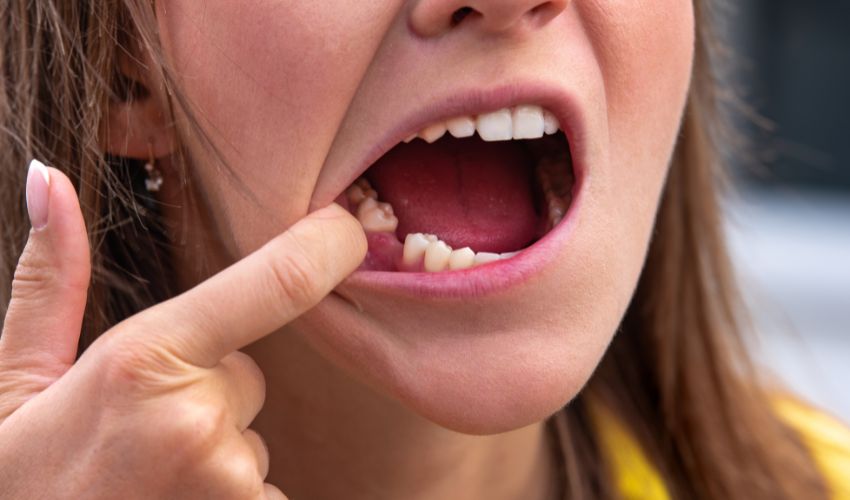
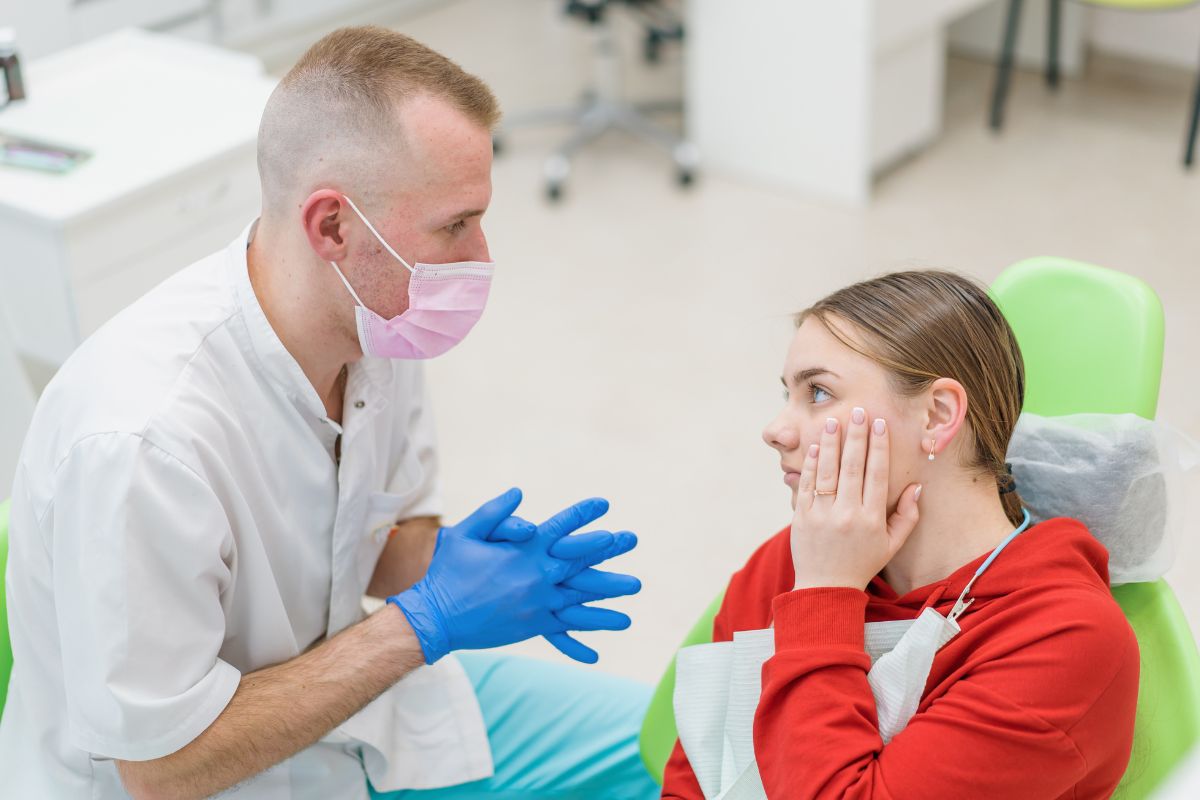
A dislodged tooth, whether due to an accident, a sports injury, or a fall, can be a traumatic experience. Quick and appropriate action can significantly increase the chances of saving the tooth. Here are the immediate steps you should take if you or someone you know has a dislodged tooth.
Stay Calm and Assess the Situation
Staying Calm: The first and most crucial step is to stay calm. Panicking can make the situation worse. Take deep breaths to help keep your composure.
Assessing the Injury: Check the extent of the injury. Determine if there is any other significant damage to the mouth, such as cuts or bruises. If there is severe bleeding or other injuries, seek emergency medical help immediately.
Find the Tooth
Locating the Tooth: Carefully look for the dislodged tooth. If found, handle it with care to avoid further damage.
Handling the Tooth: Pick up the tooth by the crown (the chewing surface) and avoid touching the root. The root is delicate and handling it improperly can damage the cells needed for reattachment.
Clean the Tooth
Rinsing the Tooth: If the tooth is dirty, gently rinse it with milk or saline solution. If neither is available, use water. Do not use soap or chemicals, and do not scrub or dry the tooth.
Preserving the Tooth: If possible, try to reinsert the tooth into its socket. Hold it by the crown and gently push it back into place. Bite down softly on a piece of gauze or a clean cloth to help keep it in place. If reinsertion isn’t possible, keep the tooth moist.
Keeping the Tooth Moist
Storing the Tooth: If you cannot reinsert the tooth, place it in a container with milk, saline solution, or your saliva. Avoid storing the tooth in plain water as it can damage the cells on the root surface.
Using a Tooth Preservation Kit: If available, use a tooth preservation kit, like Save-a-Tooth, which is designed to keep the tooth moist and protect it from further damage.
Managing Pain and Swelling
Controlling Bleeding: Use a clean cloth or gauze to apply gentle pressure to the socket to control bleeding.
Reducing Pain and Swelling: Apply a cold compress to the outside of your mouth or cheek to reduce pain and swelling. Over-the-counter pain relievers can also help manage the discomfort. Avoid aspirin as it can increase bleeding.
Seek Immediate Dental Care
Contacting a Dentist: Time is critical when dealing with a dislodged tooth. Ideally, you should see a dentist within 30 minutes of the incident. If you cannot get to a dentist that quickly, do not lose hope; teeth have been successfully reimplanted even after an hour or more.
What to Expect: At the dentist, they will assess the damage and may take an X-ray to check for any additional injuries. If the tooth is successfully reinserted, the dentist might use a splint to stabilize it, helping it to reattach to the bone.
Follow-Up Care
Monitoring the Tooth: Even if the tooth is successfully reimplanted, follow-up care is crucial. The dentist will likely schedule several follow-up visits to monitor the tooth’s healing and ensure it is reattaching properly.
Practicing Good Oral Hygiene: Maintain good oral hygiene by brushing and flossing regularly, but be gentle around the reimplanted tooth. Avoid chewing hard foods on that side of your mouth for a while.
Recognizing Complications: Be aware of any signs of infection, such as increased pain, swelling, or pus around the tooth. If you notice any of these symptoms, contact your dentist immediately.
Prevention Tips
Wearing Mouthguards: If you participate in contact sports or activities that pose a risk of facial injury, wear a mouthguard to protect your teeth.
Maintaining Dental Health: Regular dental check-ups and good oral hygiene can help prevent tooth dislodgement caused by decay or gum disease.
Creating a Safe Environment: Ensure your living and working environments are free from hazards that could cause falls or accidents, especially for children and the elderly.
Conclusion
A dislodged tooth is a dental emergency that requires prompt and appropriate action. By staying calm, preserving the tooth properly, seeking immediate dental care, and following up with your dentist, you can increase the chances of saving your tooth. Remember, prevention is always better than cure, so take steps to protect your teeth from injury.