Same-Day Appointments Available!


Do Dental Implants Ever Need to Be Replaced?
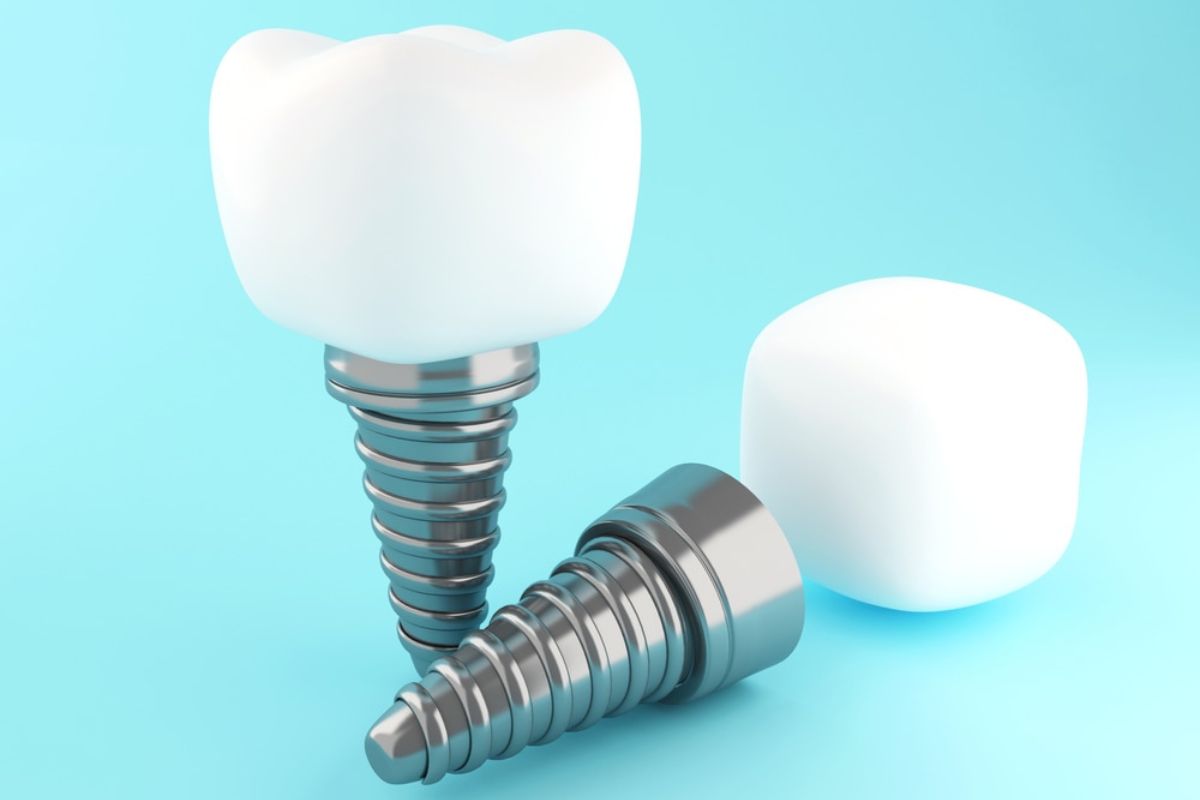
Dental implants are one of the most durable and long-lasting solutions for missing teeth. Unlike traditional bridges or dentures, which may need frequent adjustments or replacements, implants are designed to integrate with the jawbone, providing a stable and permanent foundation for artificial teeth. However, while they are built to last, certain factors can affect their lifespan.
How Long Do Dental Implants Last?
The implant itself, which is a titanium post fused with the jawbone, is meant to last a lifetime with proper care. The visible crown that attaches to the implant typically lasts between 10 to 15 years before it may need replacement due to normal wear and tear. With excellent oral hygiene and regular dental visits, many people can maintain their implants for decades without issues.
Factors That Affect Implant Longevity
Several factors determine whether teeth implants will need to be replaced over time.
1. Oral Hygiene and Maintenance
Just like natural teeth, implants require daily brushing, flossing, and routine dental checkups. Poor oral hygiene can lead to gum infections, such as peri-implantitis, which may compromise the stability of the implant.
2. Lifestyle and Habits
Certain habits, such as smoking, teeth grinding, and excessive alcohol consumption, can impact the longevity of dental implants in Boynton Beach. Smoking, in particular, reduces blood flow to the gums, slowing the healing process and increasing the risk of implant failure.
3. Bone Health and Gum Conditions
A strong, healthy jawbone is essential for long-term implant success. Conditions such as osteoporosis and gum disease can weaken the bone and surrounding tissue, potentially leading to implant failure. If significant bone loss occurs, an implant may need to be removed or replaced.
4. Quality of the Implant and Placement
The success of dental implants also depends on the skill of the dental professional placing them. High-quality materials and precise placement ensure a secure fit and long-term stability. Advanced techniques and modern implant technology have significantly improved the success rate of implants, making them a reliable option for tooth replacement.
Signs That a Dental Implant May Need Replacement
While implants are highly durable, there are a few indicators that they may require attention:
- Persistent pain or discomfort around the implant site
- Loosening of the implant due to bone loss or gum disease
- Damage to the crown from wear, fractures, or staining
- Inflammation or infection around the implant
If any of these issues arise, it’s important to consult a professional to assess whether repair or replacement is necessary.
Extending the Lifespan of Your Dental Implants
To maximize the longevity of your dental implants, follow these essential care tips:
- Brush and floss daily to prevent plaque buildup around the implant.
- Schedule routine dental checkups to monitor the health of the implant and surrounding gums.
- Avoid chewing on hard objects, such as ice or pen caps, to prevent damage to the crown.
- If you grind your teeth at night, consider wearing a custom night guard to protect your implants.
Investing in a Long-Term Solution
Dental implants offer a life-changing solution for individuals with missing teeth. While the titanium post can last a lifetime, the attached crown may require occasional replacement due to natural wear. By maintaining excellent oral hygiene and making healthy lifestyle choices, you can significantly extend the longevity of your implants and enjoy a strong, confident smile for years to come. At Ocean Dental Studio Boynton Beach, we specialize in providing high-quality dental implants tailored to each patient’s needs. Whether you’re considering implants for the first time or need guidance on maintaining existing ones, our team is here to help.