Same-Day Appointments Available!


What to Do During Any Dental Emergency in Sports
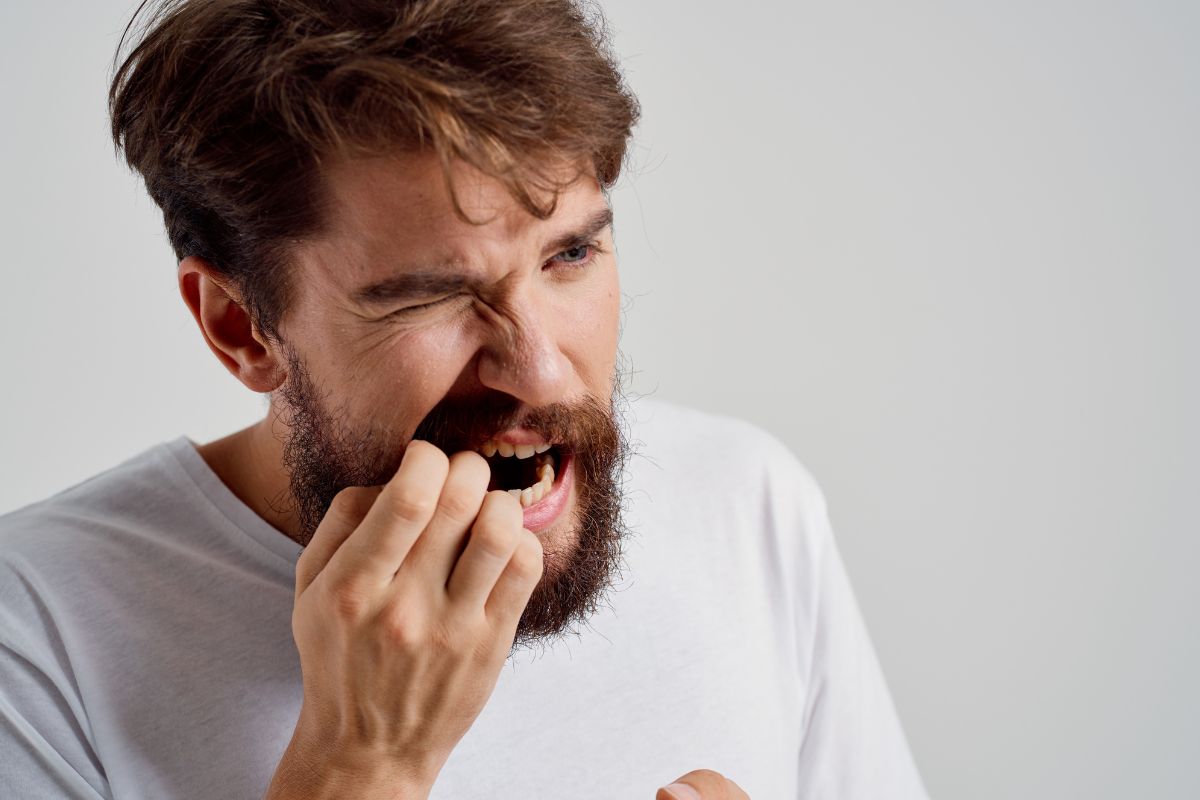
Playing sports is an excellent way to stay active, have fun, and build teamwork skills. However, it also comes with the risk of injuries, including dental emergencies. Knowing how to handle these situations can make a significant difference in outcomes for athletes. This guide will help you understand what to do during any dental emergency in sports.
To seek help from our emergency dentist of Boynton Beach FL, Please Call 561-732-2711!
Common Dental Injuries in Sports
- Tooth Knocked Out (Avulsed Tooth)
- Cracked or Fractured Tooth
- Displaced Tooth
- Soft Tissue Injuries (Gums, Lips, Cheeks, Tongue
Immediate Steps for Any Dental Emergency
Stay Calm and Assess the Situation
The first step in any emergency is to stay calm. Panicking can make the situation worse and can cause further distress to the injured athlete. Assess the injury to understand the severity and determine the next steps.
Protect the Athlete
Move the athlete to a safe location away from the activity to prevent further injury. Ensure they are comfortable and reassure them that help is on the way.
Specific Steps for Different Dental Emergencies
Tooth Knocked Out (Avulsed Tooth)
- Locate the Tooth: Find the tooth immediately. Hold it by the crown (the part you chew with), not the root.
- Rinse the Tooth: If the tooth is dirty, rinse it gently with water. Do not scrub or remove any attached tissue fragments.
- Reinsert the Tooth: If possible, try to place the tooth back into its socket. Have the athlete bite down gently on a clean cloth or gauze to keep it in place.
- Preserve the Tooth: If reinsertion is not possible, place the tooth in a container of milk or a tooth preservation solution. If neither is available, keep the tooth in the athlete’s mouth, between the cheek and gums, being careful not to swallow it.
- Seek Immediate Dental Care: A knocked-out tooth needs to be reimplanted as soon as possible, ideally within 30 minutes, for the best chance of saving it.
Cracked or Fractured Tooth
- Rinse the Mouth: Use warm water to rinse the mouth and clean the area.
- Manage Pain and Swelling: Apply a cold compress to the outside of the mouth or cheek to reduce swelling.
- Save Broken Pieces: Collect any broken pieces of the tooth and place them in a clean container with milk or saline solution.
- Get to the Dentist: Even if the fracture seems minor, a dentist should examine the injury to prevent further damage and determine the appropriate treatment.
Displaced Tooth
- Reposition the Tooth: Try to gently push the tooth back to its normal position. Do not force it.
- Stabilize the Tooth: Have the athlete bite down on a clean cloth or gauze to keep the tooth in place.
- Seek Prompt Dental Care: A displaced tooth should be evaluated by a dentist as soon as possible to ensure proper alignment and stability.
Soft Tissue Injuries
- Rinse the Mouth: Clean the area with warm water to remove any dirt or debris.
- Control Bleeding: Use a clean cloth or gauze to apply gentle pressure to the injured area. If bleeding does not stop after 15 minutes, seek immediate medical attention.
- Reduce Swelling: Apply a cold compress to the outside of the mouth or cheek.
- Visit the Dentist: Soft tissue injuries should be examined to ensure no underlying damage and to receive proper care.
Jaw Injuries
- Apply Cold Compress: Reduce swelling by applying a cold compress.
- Seek Emergency Care: Injuries require immediate medical attention to rule out fractures and other serious issues.
Preventing Dental Injuries in Sports
While it’s essential to know how to handle dental emergencies, preventing them in the first place is even better. Here are some tips to help protect athletes from dental injuries:
- Wear a Mouthguard: A properly fitted mouthguard is the best defense against dental injuries. Custom-made mouthguards provide the best protection and comfort.
- Use Helmets and Faceguards: In sports where helmets are required, ensure they fit well and are equipped with faceguards if necessary.
- Regular Dental Check-ups: Athletes should have regular dental check-ups to ensure their teeth and gums are healthy and strong.
- Educate Athletes: Teach athletes about the importance of dental safety and how to protect their teeth during play.
Conclusion
Dental emergencies in sports can be alarming, but knowing how to respond can significantly affect the outcome. Whether it’s a knocked-out tooth, a fracture, or a soft tissue injury, quick and appropriate action is crucial. By following the steps outlined in this guide and prioritizing prevention, athletes can enjoy their sports activities with a reduced risk of dental injuries.
Remember, when in doubt, seek professional dental care to ensure the best possible outcome.