Same-Day Appointments Available!


Can Dental Implants Help Prevent Jawbone Loss After Tooth Extraction?
Losing a tooth affects more than just your ability to chew comfortably. Beneath your gums, your jawbone may also begin to change. When a tooth is removed, the bone that once supported its root no longer receives the stimulation it needs to maintain its natural strength and volume.
The good news is that replacing a missing tooth can do more than restore your bite. Certain tooth replacement options can help support the jawbone and reduce the changes that often follow tooth loss.
If you have recently had a tooth extracted or are planning an extraction, understanding how implants work can help you make a more informed decision about your long-term oral health.
Why Does Jawbone Loss Happen After Tooth Extraction?
Your teeth and jawbone work together. Every time you chew, the roots of your natural teeth transfer pressure to the surrounding bone. This stimulation helps maintain healthy bone tissue.
After a tooth is extracted, that stimulation disappears from the affected area. Over time, the body begins to break down and reabsorb some of the bone that previously supported the tooth.
This process is called bone resorption.
Some common reasons jawbone changes occur after tooth loss include:
- Loss of root stimulation: Without a tooth root, the surrounding bone receives less natural pressure during chewing.
- Changes in chewing habits: Missing teeth may cause you to favor one side of your mouth.
- Changes in facial support: Significant bone loss can affect the support provided to your lips and cheeks.
- Difficulty wearing dentures: Changes in the shape of the jawbone can affect how well traditional dentures fit.
The amount of bone loss varies from person to person. The location of the missing tooth, overall health, and time since extraction can all influence the process.
Can Dental Implants Help Prevent Jawbone Loss?
Yes. Dental implants can help preserve the jawbone because they replace the function of a natural tooth root.
When considering Dental implants boynton beach, patients often focus on having a complete-looking smile and restoring their ability to chew. However, their role in supporting jawbone health is another important benefit.
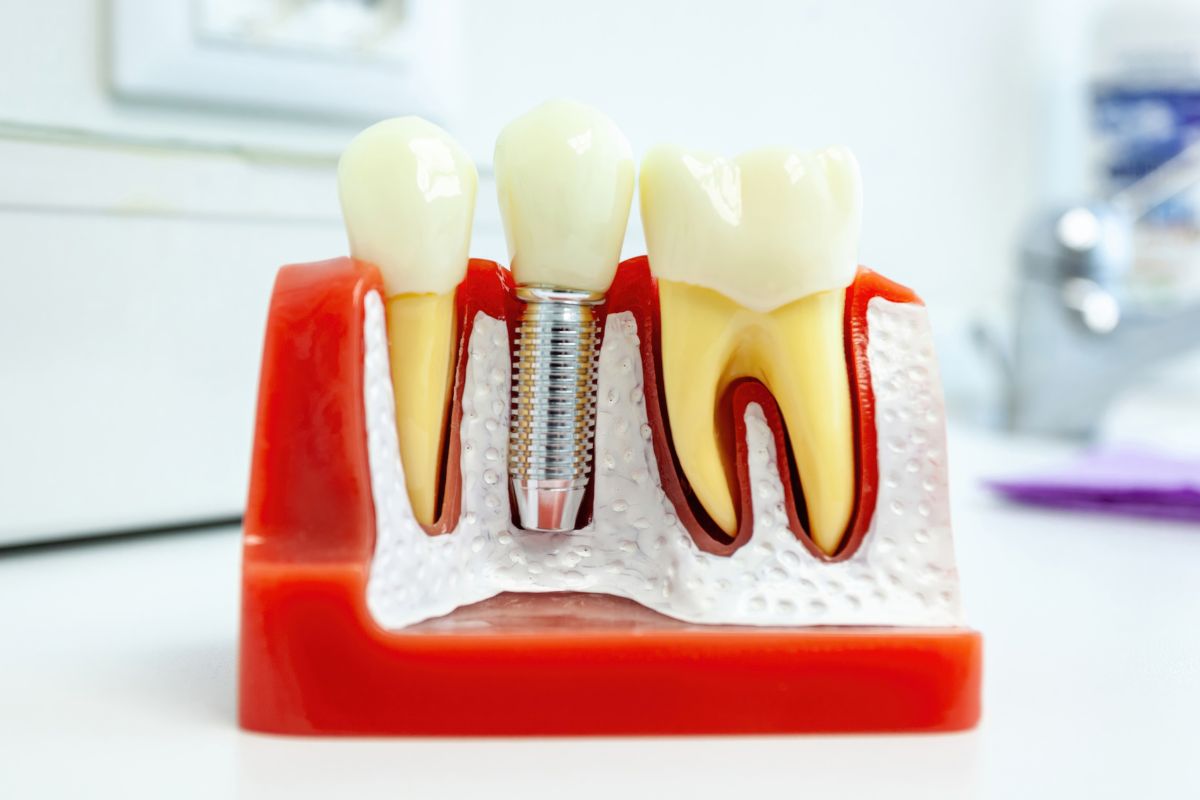
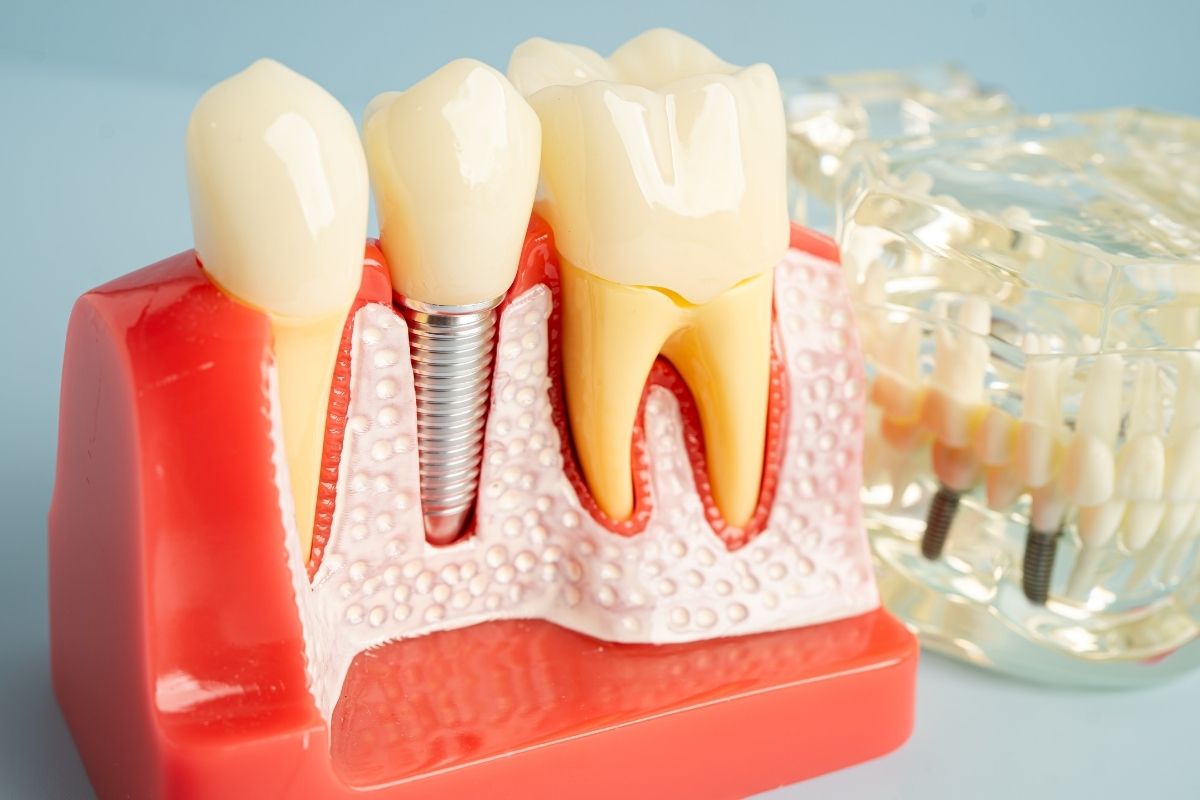
A dental implant is a small titanium or titanium-alloy post that is placed into the jawbone. Once it heals, the implant can fuse with the surrounding bone through a natural process called osseointegration.
This connection allows the implant to transfer chewing forces into the jawbone, providing stimulation similar to that of a natural tooth root.
Unlike traditional removable dentures or conventional bridges, an implant replaces the root structure as well as supporting a replacement tooth.
Although implants can help maintain bone around the implant site, they cannot guarantee that all future bone loss will be prevented.
How Do Dental Implants Support Jawbone Health?
Understanding how implants work makes it easier to see why they are often recommended after tooth loss.
Here is how the process supports your oral health:
They Replace the Missing Tooth Root
A traditional dental crown replaces the visible portion of a tooth. An implant goes further by replacing the missing root with a stable foundation.
This helps restore the transfer of chewing forces to the surrounding bone.
They Help Maintain Bone Stimulation
When you bite and chew, the implant transfers pressure to the jawbone. This mechanical stimulation can help maintain bone in the area supporting the implant.
They Support Your Bite
Missing teeth can change how your upper and lower teeth come together. Replacing the missing tooth can help restore a more balanced bite and improve chewing function.
They Help Preserve Facial Support
The jawbone provides structural support for the lower face. Maintaining bone volume can help preserve some of the natural support beneath your lips and cheeks.
However, implants do not reverse every facial change associated with aging or existing bone loss.
When Should You Consider an Implant After Tooth Extraction?
Timing matters when planning tooth replacement. In some cases, an implant can be placed immediately after an extraction. In other situations, your provider may recommend waiting for the extraction site to heal.
The right approach depends on factors such as:
- The amount and quality of available jawbone
- Whether an infection is present
- The condition of the surrounding gum tissue
- The location of the extracted tooth
- Your general health and healing ability
If you have already had a tooth removed, that does not automatically mean you are too late for an implant.
A thorough examination and dental imaging can help determine whether enough bone is available or whether additional treatment is needed.
What If You Have Already Experienced Jawbone Loss?
You may still be a candidate for implant treatment even if some bone loss has occurred.
Depending on your condition, your dental provider may recommend additional procedures before placing an implant.
These can include:
- Bone grafting: Adds bone material to an area with insufficient volume to support an implant.
- Sinus lift: Creates additional bone support in the upper back jaw when the sinus is too close to the implant site.
- Ridge augmentation: Helps rebuild the shape and width of the jawbone when necessary.
Not everyone needs these procedures. Your treatment plan will depend on your examination findings and the amount of available bone.
Are Dental Implants Better Than Other Tooth Replacement Options?
Each tooth replacement option has its own advantages. The best choice depends on your oral health, budget, preferences, and long-term goals.
| Treatment | How It Helps |
|---|---|
| Dental implants | Replace the tooth root and help stimulate the surrounding jawbone |
| Traditional dental bridges | Replace missing visible teeth but do not replace the missing root |
| Removable dentures | Restore appearance and chewing ability but do not provide root stimulation |
A qualified dentist can help you compare these options and understand which approach is appropriate for your situation.
What Can You Do to Protect Your Jawbone After Extraction?
Along with discussing tooth replacement, maintaining healthy oral habits can support your recovery and long-term oral health.
Consider these steps:
- Follow your post-extraction instructions carefully.
- Avoid smoking and tobacco products, which can interfere with healing.
- Eat nutritious foods that support bone and tissue health.
- Maintain good brushing and flossing habits around the healing area.
- Attend recommended follow-up appointments.
- Discuss tooth replacement options before delaying treatment for too long.
If you live in Boynton Beach or nearby communities such as Delray Beach and Lake Worth Beach, arranging an evaluation early can help you understand your options before additional bone changes occur.
Frequently Asked Questions
Does jawbone loss always happen after tooth extraction?
Some degree of bone remodeling is a normal part of healing after extraction. The amount of bone loss varies depending on the individual and the location of the missing tooth.
How soon should I get a dental implant after extraction?
Some patients qualify for immediate implant placement, while others need to wait for the extraction site to heal. Your provider will determine the appropriate timing based on your oral health and bone condition.
Can dental implants restore jawbone that has already been lost?
Implants do not independently rebuild significant areas of missing bone. However, bone grafting and other preparatory procedures may help rebuild the area so an implant can be placed.
Are dental implants better for jawbone health than dentures?
Implants replace the tooth root and provide stimulation to the surrounding bone. Traditional removable dentures replace the visible teeth but do not provide the same root-level stimulation.
Can I get dental implants years after losing a tooth?
Yes, many patients can receive implants years after extraction. However, existing bone loss may mean that additional procedures, such as bone grafting, are necessary before treatment.
Protect Your Jawbone and Plan for a Healthier Future
A missing tooth may seem like a small problem at first, but the changes beneath your gums can affect your oral health over time. Replacing the missing tooth with an implant may help maintain jawbone stimulation, restore chewing function, and provide a stable foundation for the future.
If you have recently lost a tooth or have been living with an empty space for years, now is a good time to explore your options. Ocean Dental Studio Boynton Beach can help you understand whether implant treatment is right for your needs. Schedule your consultation today and take a proactive step toward protecting your long-term oral health.