Same-Day Appointments Available!


How Long Do Dental Implants Last? Tips for Protecting Your Investment
Replacing a missing tooth is a big decision, and you want your results to last. Whether you enjoy dining out in Boynton Beach, catching up with friends in Delray Beach, or simply eating your favorite foods at home, a reliable tooth replacement can make everyday life more comfortable.
The good news is that modern tooth replacement options can provide lasting results when they are properly placed and cared for. However, their longevity depends on more than the quality of the treatment. Your daily habits, gum health, and regular dental visits all play an important role.
How Long Can You Expect Your Tooth Replacement to Last?
With proper care, dental implants can last for decades, and the implant post itself may last a lifetime. The crown attached to it typically needs replacement sooner because it experiences everyday wear from chewing and biting.
Several factors influence how long your results last, including:
- Oral hygiene: Regular brushing and cleaning between your teeth help protect the surrounding gums.
- Gum health: Healthy gums and supporting bone are essential for long-term stability.
- Lifestyle habits: Smoking and tobacco use can interfere with healing and increase the risk of complications.
- Biting pressure: Grinding or clenching your teeth can put excess stress on the implant and crown.
- Routine dental care: Professional examinations help identify potential problems before they become more serious.
Every patient is different, so your dental provider can give you a more personalized estimate based on your oral health and treatment history.
Why the Implant and Crown May Have Different Lifespans
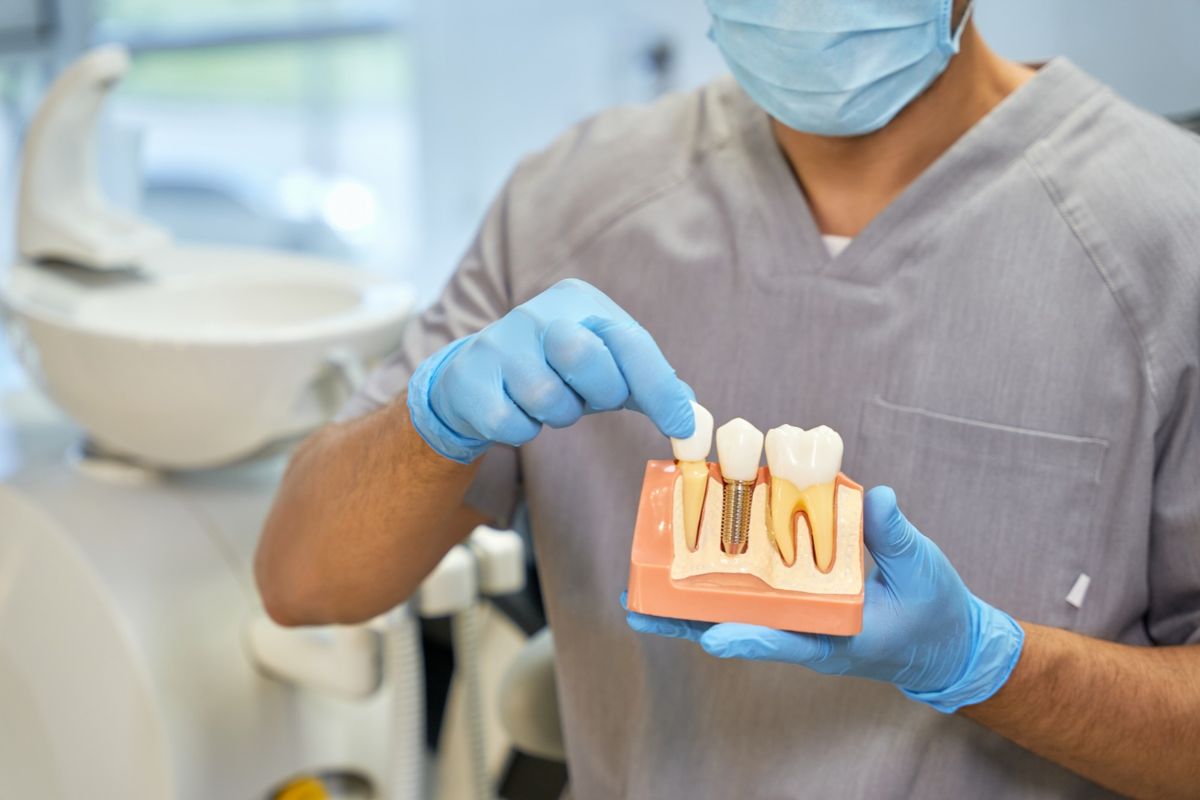
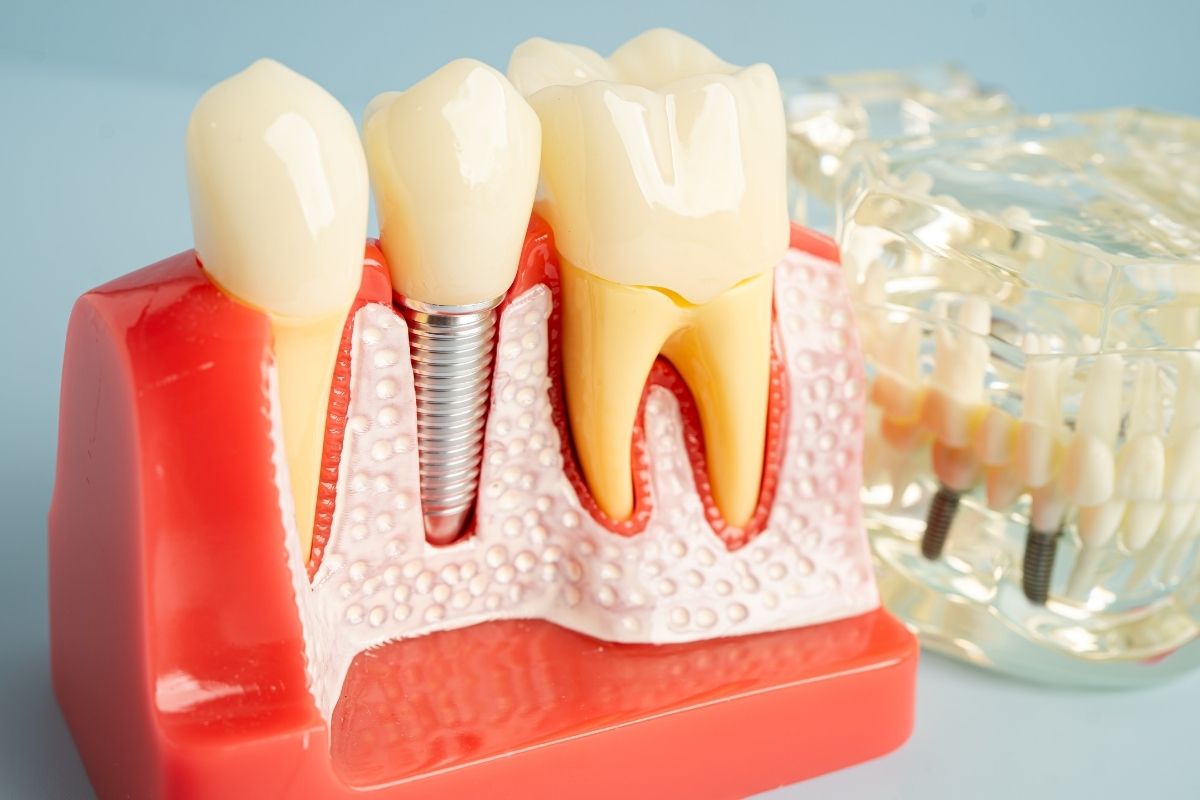
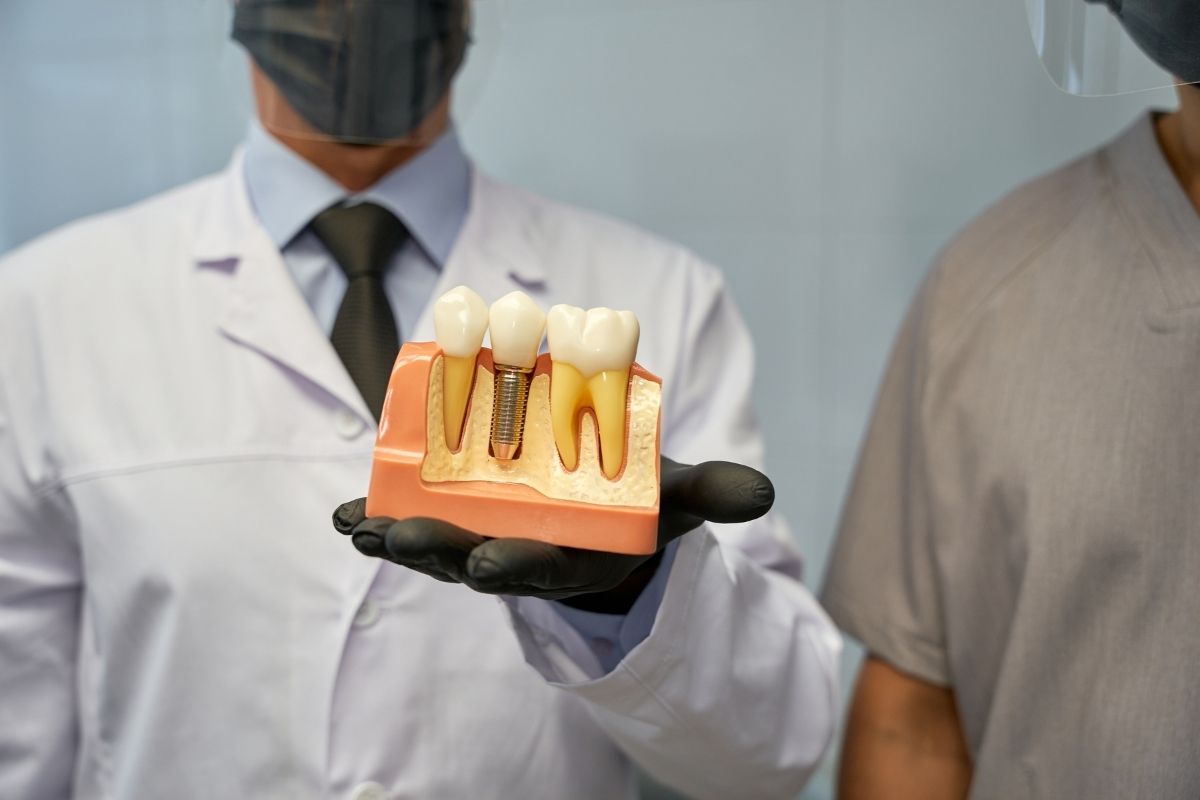
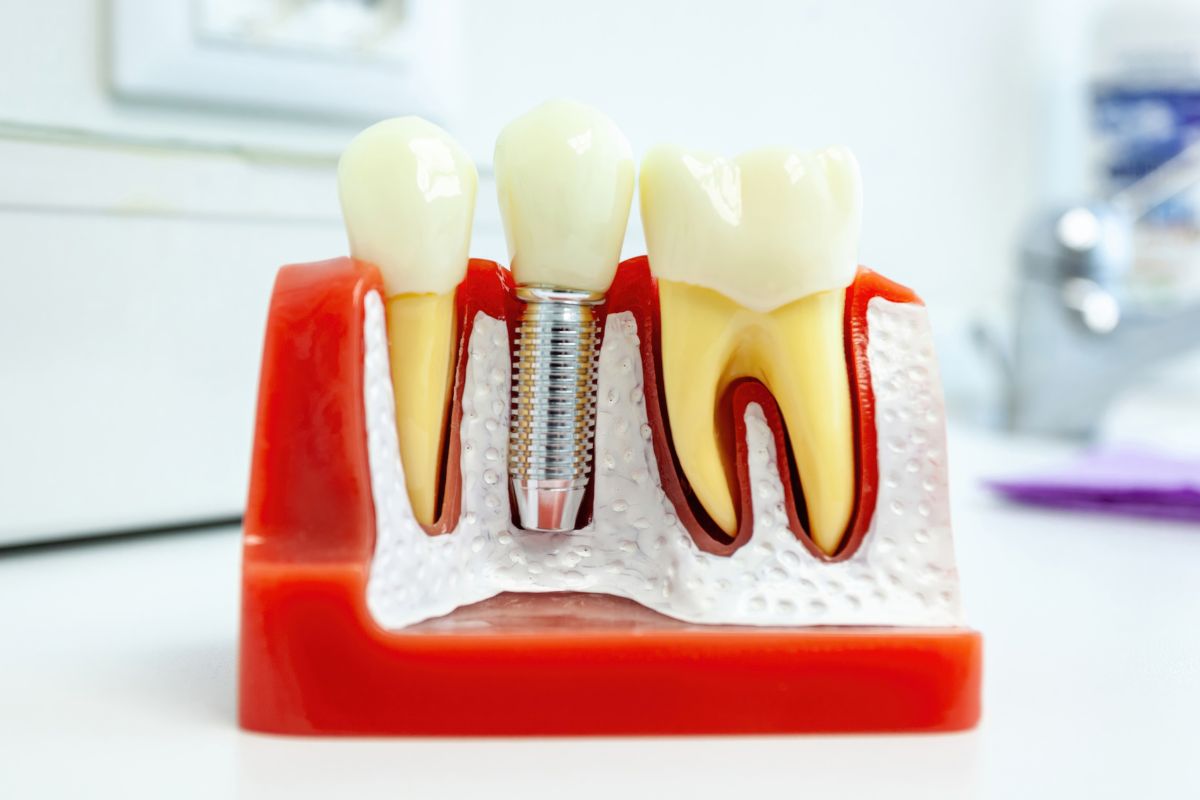
A tooth replacement consists of components that serve different purposes. The implant post is placed in the jawbone, where it can integrate with the surrounding bone. An abutment connects the post to the visible crown, which provides the appearance and function of a natural tooth.
Because the crown handles daily chewing forces, it may wear down, chip, or become damaged over time. The implant post can remain stable even if the crown eventually needs repair or replacement.
This distinction matters when planning for long-term maintenance. A dentist can evaluate each component and determine whether it needs monitoring, repair, or replacement.
Everyday Habits That Help Protect Your Investment
You do not need an elaborate routine to care for your replacement tooth. Consistency is what makes the difference.
Brush and Clean Between Your Teeth Daily
Brush twice daily with a soft-bristled toothbrush and fluoride toothpaste. Pay attention to the gumline around the implant, where plaque can accumulate.
Clean between your teeth every day using floss, interdental brushes, or other tools recommended by your dental provider. Special care may be needed around the implant to remove buildup without irritating the surrounding tissue.
Avoid Using Your Teeth as Tools
Opening packages, biting fingernails, or chewing on pens can damage natural teeth and restorations alike. Avoid biting directly into very hard foods, especially if you have a history of chipped teeth or grinding.
Cutting hard foods into manageable pieces can help reduce unnecessary pressure.
Address Teeth Grinding
Do you wake up with jaw soreness or notice that your teeth feel sensitive in the morning? You may be clenching or grinding your teeth without realizing it.
Repeated pressure can strain the crown and other components. Ask your dental provider whether a custom night guard could help protect your restoration.
Avoid Tobacco Products
Smoking and other tobacco use can affect gum health and healing. They may also increase the risk of complications around an implant.
If you use tobacco, discuss ways to reduce or quit with a healthcare professional. Protecting your gum health can help support your long-term results.
Keep Up With Regular Dental Visits
Even when your replacement tooth feels completely normal, routine checkups remain important. Problems around an implant may develop without obvious pain in the early stages.
During your visits, your dental team can:
- Check the stability of the implant and crown.
- Examine the surrounding gums for inflammation.
- Assess plaque buildup and cleaning habits.
- Look for signs of wear, damage, or bite problems.
- Recommend professional cleaning and maintenance.
Your recommended appointment schedule will depend on your individual needs. Patients with a history of gum disease or other risk factors may need closer monitoring.
Watch for Signs That Something Needs Attention
A well-maintained implant should feel stable and comfortable. Contact your dental provider if you notice:
- Red, swollen, or bleeding gums around the implant.
- Persistent tenderness or discomfort.
- A crown that feels loose or changes position.
- Difficulty chewing comfortably.
- Pus, unusual swelling, or other signs of infection.
A loose implant post needs prompt professional evaluation. Do not try to tighten or repair any component yourself. Early assessment can help your provider identify the cause and discuss appropriate treatment.
What Does Living in South Florida Mean for Implant Care?
Life in Boynton Beach and nearby Delray Beach often includes restaurant outings, beach days, outdoor activities, and busy work schedules. These routines do not need to interfere with implant care, but it helps to plan ahead.
Keep a travel toothbrush and floss in your bag, rinse with water after meals when brushing is not possible, and avoid using hard objects to remove food caught around your restoration.
Florida’s warm weather is not a reason to expect shorter implant life. What matters most is consistent oral hygiene, healthy gums, and professional follow-up. If you spend time away from home, keeping up with your normal care routine is still worthwhile.
Frequently Asked Questions
Can dental implants last a lifetime?
The implant post can last a lifetime in some patients, but this is not guaranteed. Gum health, bone support, oral hygiene, and other factors affect longevity. The crown may need replacement during the implant’s lifetime.
How often should I have my implant checked?
Follow the schedule recommended by your dental provider. Regular examinations and professional cleanings help monitor the implant, surrounding gums, and restoration.
Can an implant fail after several years?
Yes. Complications can occur months or years after placement. Infection around the implant, bone loss, excessive biting forces, and other issues can contribute to failure. Regular monitoring helps detect concerns early.
Do dental implants need special cleaning products?
Not necessarily. A soft-bristled toothbrush and daily cleaning between teeth are essential. Your dental provider may recommend specific floss, interdental brushes, or other tools based on the implant’s position and your oral health.
When should I contact my dental provider about an implant?
Contact your provider if you experience persistent pain, swelling, bleeding, a loose crown, or changes in how your implant feels. Seek prompt care for signs of infection rather than waiting for your next routine visit.
Protect Your Investment With Consistent Care
A lasting result starts with good planning, but the care you provide afterward matters just as much. Simple daily habits, healthy gums, and regular professional evaluations can help you protect your restoration for years to come.
If you have questions about maintaining an existing implant or are considering replacing a missing tooth, Ocean Dental Studio can help you understand your options and build a care plan that fits your needs. Schedule an appointment today to take the next step toward lasting oral health.