Same-Day Appointments Available!


What Do Dentists Recommend for Preventing Cavities at Home?
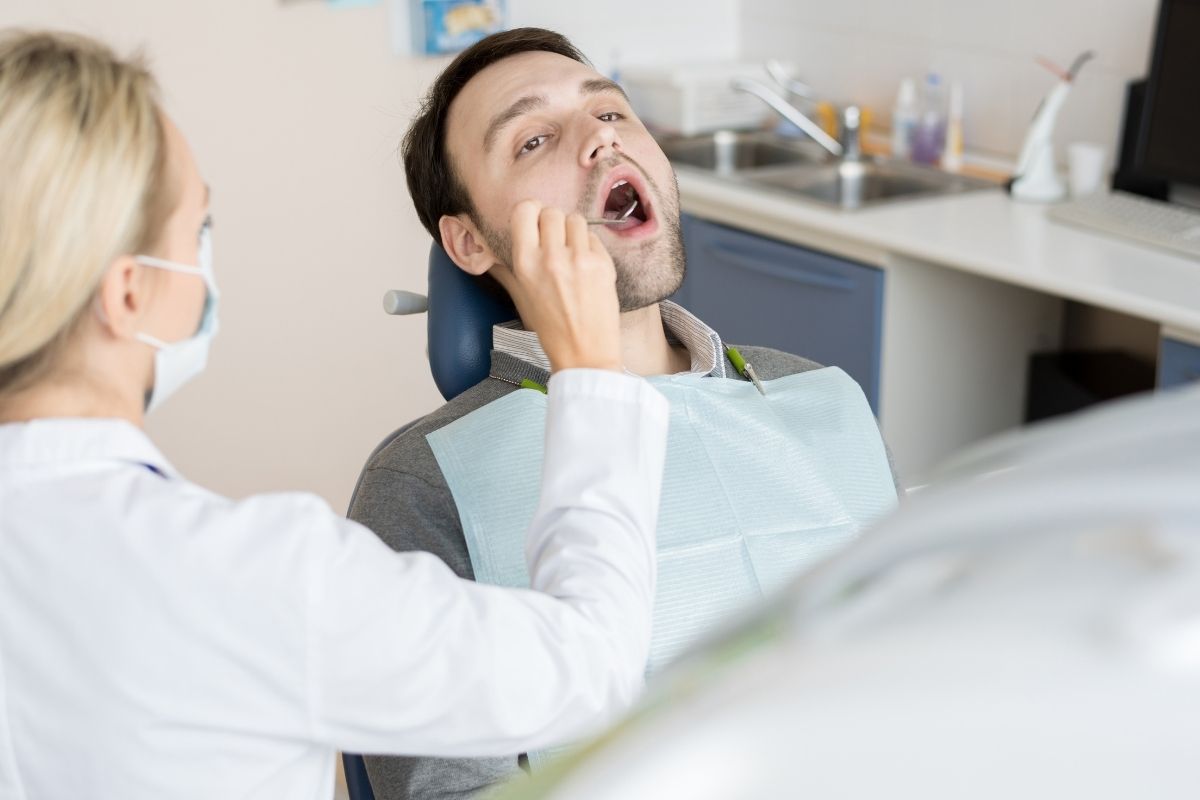
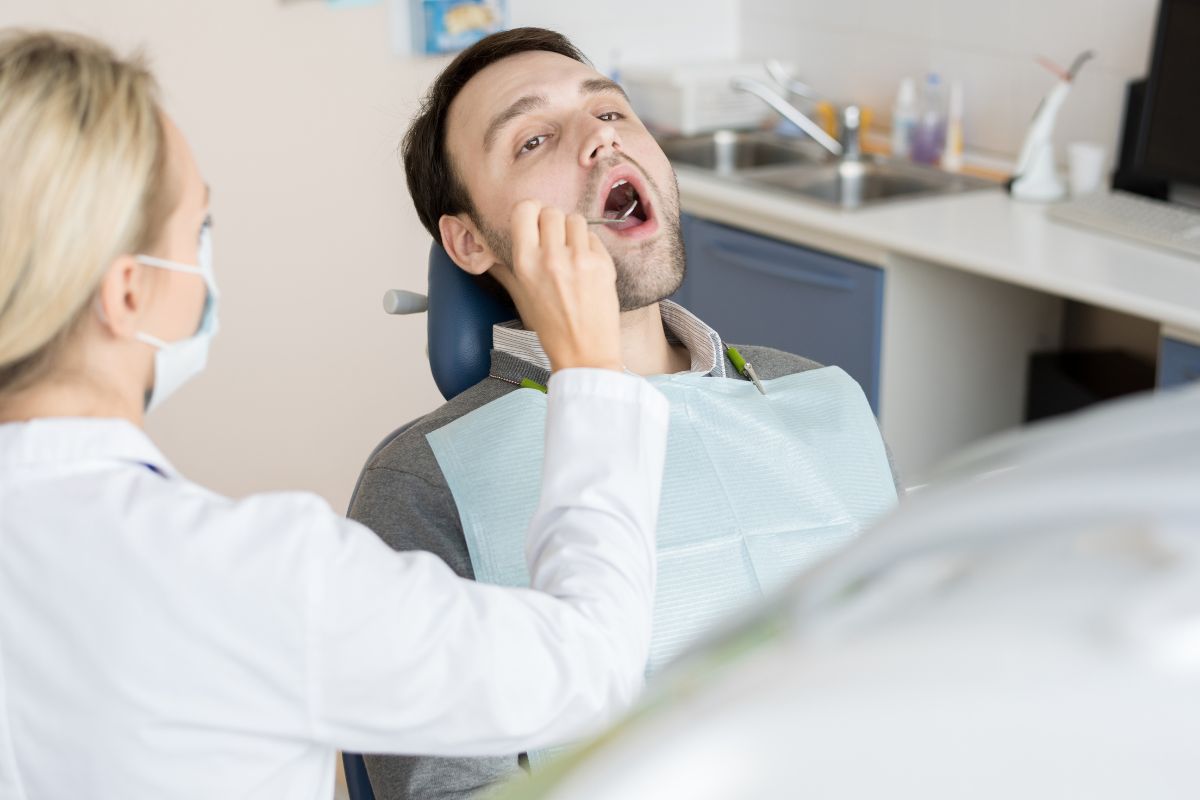
Dentists typically recommend simple, straightforward steps for at-home cavity prevention. Many residents in Boynton Beach and neighboring areas are surprised to learn that cavities rarely develop because of one bad meal or one missed brushing session. Instead, they form from small daily habits that seem harmless at the time. Slowly sipping a sweet coffee during the morning commute, reaching for sports drinks after outdoor activities, or skipping flossing because your teeth feel fine can all contribute to enamel breakdown over time. For families who enjoy weekends at Oceanfront Park, afternoons around Boynton Harbor Marina, or dining along Ocean Avenue, understanding how everyday choices affect oral health can make a meaningful difference.
At Ocean Dental Studio, Dr. Katrina Gonzalez, Dr. Hannah Tremain, and Dr. Michael Rodriguez regularly help patients identify the habits that quietly increase cavity risk. The recommendations throughout this guide are the same preventive strategies our doctors discuss with patients every day because they are supported by decades of clinical evidence and real-world results.
If you would like personalized guidance based on your oral health needs, we invite you to visit our dental office for a preventive evaluation and customized prevention plan.
Why Do Cavities Form Even When You Brush Every Day?
Brushing alone does not guarantee cavity prevention. Cavities can develop when plaque remains between teeth, sugary foods are consumed frequently, saliva production decreases, or brushing techniques fail to remove bacteria effectively.
Many people assume brushing twice a day automatically protects them from tooth decay. Unfortunately, cavity development is more complex.
Every time you eat carbohydrates or sugary foods, bacteria naturally present in the mouth begin producing acids. These acids attack tooth enamel for approximately 20 to 30 minutes after eating. Frequent snacking or sipping sweet drinks throughout the day means teeth may face repeated acid attacks without enough recovery time.
Common cavity risk factors include:
- Inconsistent flossing
- Frequent snacking between meals
- Sports drinks and sweetened beverages
- Dry mouth caused by medications
- Acidic foods and drinks
- Poor brushing technique
- Delayed preventive dental visits
- Existing dental restorations that require monitoring
Understanding these risk factors is the first step toward protecting your smile.
What Is the Most Important Habit for Preventing Cavities?
Consistent plaque removal remains the most effective way to prevent cavities. Top Boynton Beach dentists often recommend brushing twice daily with fluoride toothpaste and cleaning between teeth every day.
The quality of brushing often matters more than the number of times you brush.
Use Fluoride Toothpaste Every Day
Fluoride helps strengthen enamel and can repair very early stages of mineral loss before a cavity fully develops. This protective benefit is why fluoride remains one of the most widely recommended tools for cavity prevention.
Brush for a Full Two Minutes
Many adults brush for significantly less than the recommended two minutes. A timer or electric toothbrush can help ensure every surface receives adequate attention.
Pay Special Attention to the Gumline
Plaque commonly accumulates where teeth meet the gums. Small circular brushing motions help remove bacteria more effectively than aggressive back-and-forth scrubbing.
Replace Your Toothbrush Regularly
Worn bristles lose their cleaning effectiveness. Replacing your toothbrush every three to four months helps maintain proper plaque removal.
Why Do Some People Get Cavities More Easily Than Others?
Some individuals are naturally more susceptible to cavities because of their saliva quality, tooth anatomy, genetics, medications, or previous dental history. Even people with good oral hygiene may face additional risk factors.
Deep Grooves Can Trap More Plaque
Molars often contain narrow pits and grooves that collect food particles and bacteria. These areas can be difficult to clean thoroughly with a toothbrush alone.
Dry Mouth Significantly Increases Risk
Saliva helps neutralize acids and deliver minerals back to enamel. Many prescription medications reduce saliva production, making cavities more likely.
Previous Cavities Matter
A history of tooth decay often indicates a higher future risk. Trusted Boynton Beach dentists use this information to recommend personalized preventive strategies.
Genetics May Play a Role
Some people naturally have stronger enamel or more protective saliva. Genetics cannot be changed, but preventive habits can help overcome many inherited risk factors.
Does Flossing Really Make a Difference?
Yes. Flossing removes plaque and debris from areas that toothbrush bristles cannot adequately reach. Many cavities begin between teeth where plaque remains undisturbed.
Think of brushing and flossing as a team effort. Brushing cleans the visible surfaces, while flossing addresses the narrow spaces where bacteria often hide.
Without daily flossing:
- Plaque accumulates between teeth
- Acids remain trapped longer
- Gum inflammation becomes more likely
- Early cavities may develop unnoticed
Water flossers can be especially helpful for patients with orthodontic appliances, bridges, or dexterity challenges, although traditional floss remains highly effective when used correctly.
Which Foods Help Prevent Cavities and Which Ones Increase Risk?
Foods that stimulate saliva and provide essential minerals support healthier teeth. Frequent exposure to sugary or sticky foods increases cavity risk because bacteria use those sugars to produce enamel-damaging acids.
The frequency of sugar exposure often matters more than the amount consumed.
For example, slowly sipping a sweet coffee over several hours may create more cavity risk than drinking it with a meal because teeth experience prolonged acid attacks.
Foods That Support Stronger Teeth
Here are certain foods that you can have to support better dental conditions:
Dairy Products Help Rebuild and Protect Enamel
Milk, cheese, and plain yogurt provide calcium and phosphorus, two minerals that help strengthen tooth enamel. Cheese also stimulates saliva production, which helps neutralize harmful acids after meals. A small serving of cheese after eating can help reduce the acidic environment that cavity-causing bacteria prefer.
Crunchy Vegetables Naturally Clean Tooth Surfaces
Vegetables such as carrots, celery, and cucumbers contain a high water content and require more chewing. This chewing action increases saliva flow, helping wash away food particles and bacteria. While these vegetables do not replace brushing, they can help reduce plaque buildup between meals.
Leafy Greens Deliver Minerals Teeth Need
Spinach, kale, and other leafy greens contain calcium, magnesium, and important vitamins that support oral health. These nutrients contribute to stronger enamel and healthy gum tissue. Adding leafy greens to meals is an easy way to support both oral and overall health.
Nuts Provide Nutrients Without Feeding Harmful Bacteria
Almonds, walnuts, and other unsweetened nuts contain beneficial minerals while remaining low in sugar. Unlike many processed snacks, nuts do not create a significant food source for cavity-causing bacteria. They also provide protein and healthy fats that contribute to overall wellness.
Fresh Fruits Can Be a Better Alternative to Processed Sweets
Whole fruits contain natural sugars, but they also provide fiber and water. Apples, pears, and berries are generally better snack options than sticky candies or sugary desserts. The fiber content helps stimulate chewing and saliva production while satisfying sweet cravings more naturally.
Water Remains the Most Tooth-Friendly Beverage
Water supports nearly every aspect of cavity prevention. It rinses away food particles, dilutes acids, and helps maintain healthy saliva flow. For residents spending time outdoors, whether enjoying the waterfront, boating, or visiting local parks, staying hydrated with water instead of sugary beverages can significantly reduce cavity risk throughout the day.
Protect Your Smile Before Cavities Start
Cavities rarely develop overnight. They usually progress slowly and quietly, often without discomfort, until significant damage has occurred. The most effective approach is to prevent problems before they require treatment.
A personalized preventive evaluation can help identify risk factors, strengthen vulnerable areas, and create a strategy tailored to your specific oral health needs. If you would like guidance from a Dentist Boynton Beach families rely on for preventive care, visit our dental office at Ocean Dental Studio. Our team can help you protect your smile for years to come. Book an Appointment today to schedule your preventive care evaluation.
Frequently Asked Questions
Can cavities develop even if I brush twice a day?
Yes. Brushing alone may not remove plaque between teeth or address frequent sugar exposure. Flossing, fluoride use, and regular preventive visits also play important roles.
Is sparkling water bad for teeth?
Plain sparkling water is generally less harmful than sugary soft drinks. However, flavored varieties may contain acids that can contribute to enamel wear over time.
Why do cavities often form between teeth?
Toothbrush bristles cannot fully clean the tight spaces between teeth. Plaque that remains in these areas can produce acids and gradually cause decay.
Can stress affect cavity risk?
Yes. Stress may contribute to dry mouth, teeth grinding, poor dietary choices, and inconsistent oral hygiene habits, all of which can increase cavity risk.
Are sports drinks worse than soda for enamel?
Some sports drinks contain acids and sugars that can weaken enamel. Frequent consumption may contribute to both tooth decay and enamel erosion.
How can I tell if a cavity is starting?
Early cavities may appear as white spots, increased sensitivity, or mild discoloration. Many develop without noticeable symptoms, making routine examinations important.
Does mouthwash prevent cavities?
Fluoride mouthwash can provide additional protection against tooth decay. However, it works best when combined with brushing, flossing, and professional preventive care.