Same-Day Appointments Available!


Your Complete Guide to Dental Implants: Restoring Smiles with Confidence
If you’re looking for a long-lasting solution to missing teeth, dental implants may be the perfect option. Whether you’re dealing with one lost tooth or several, they can restore your smile, improve function, and boost confidence. Discover how professional care from a Boynton Beach dentist helps explore the benefits of these restorations and whether they’re suitable for you. Learn everything you need to know about restorations and why they may be the best tooth replacement option for you.
What Are Dental Implants?
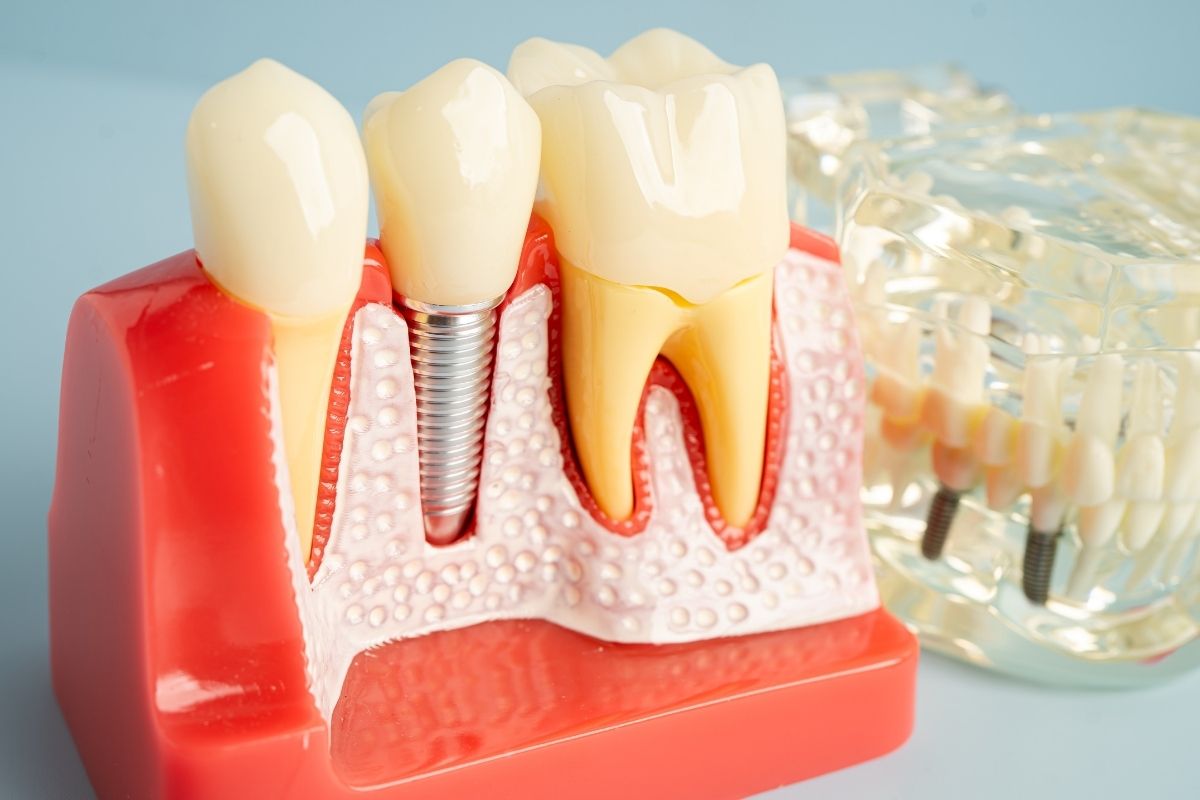
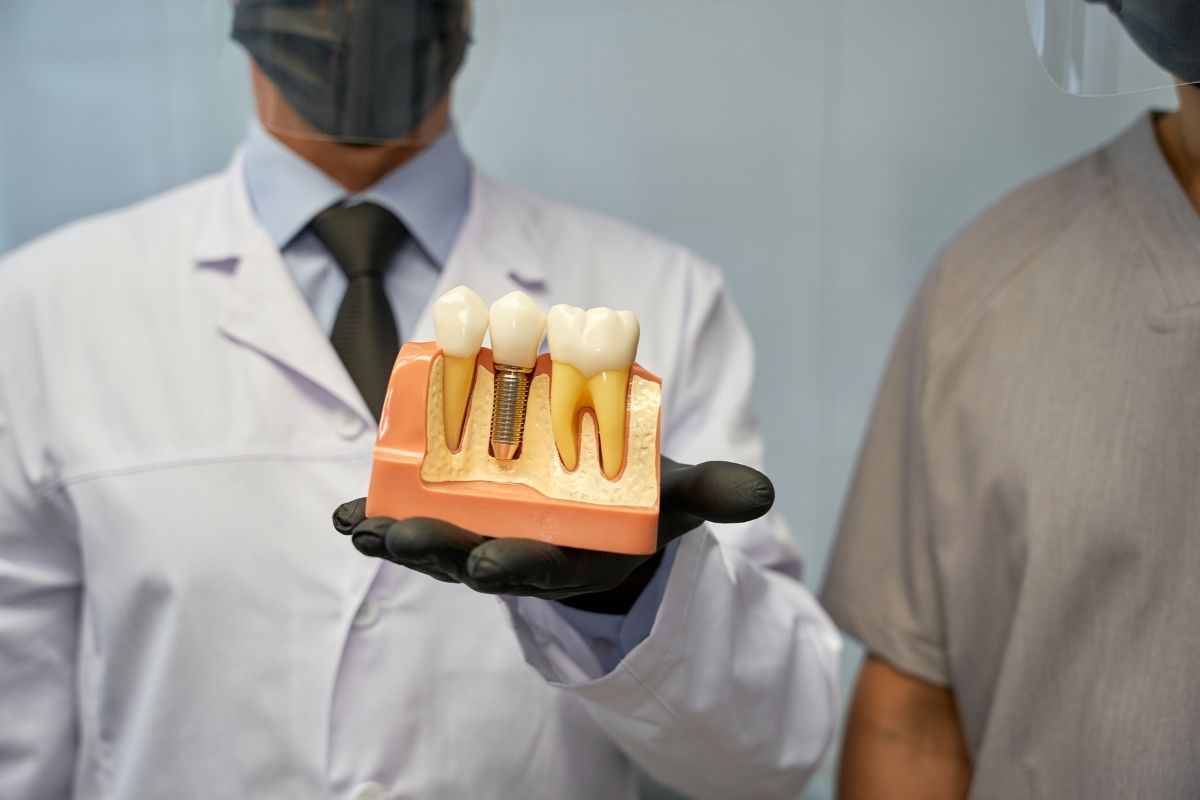
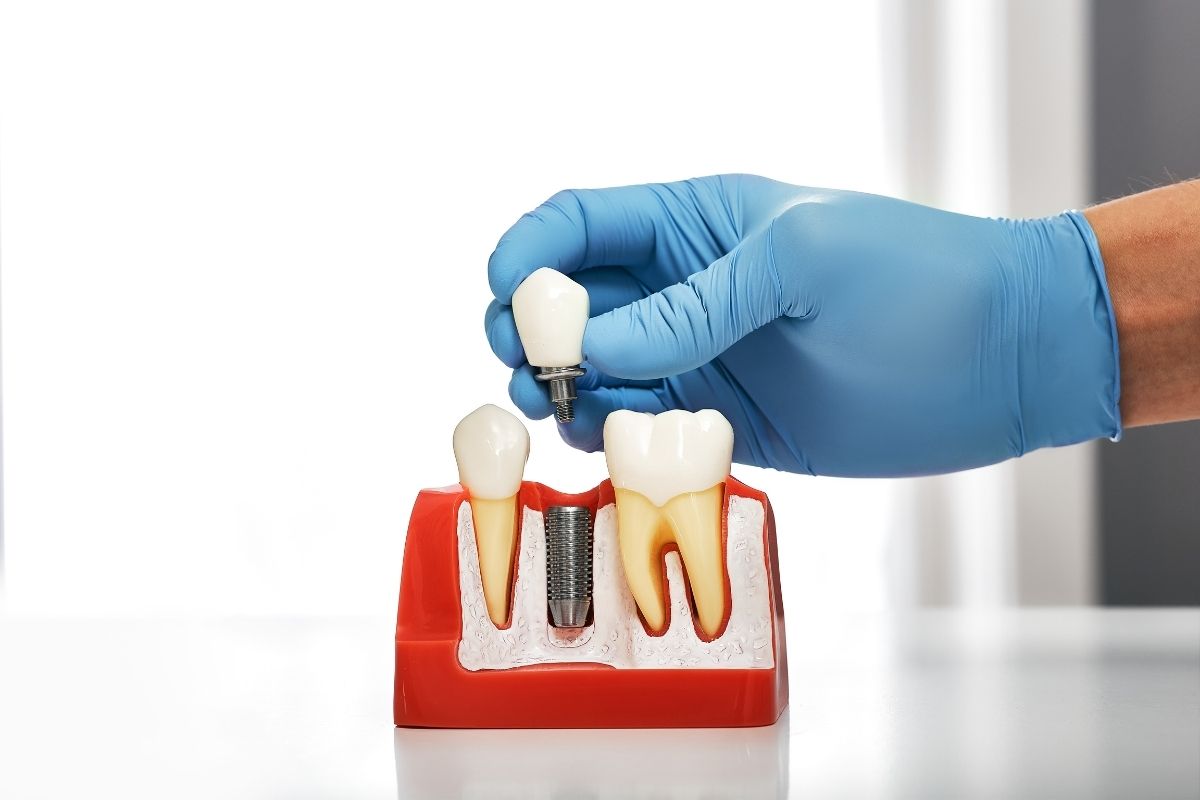
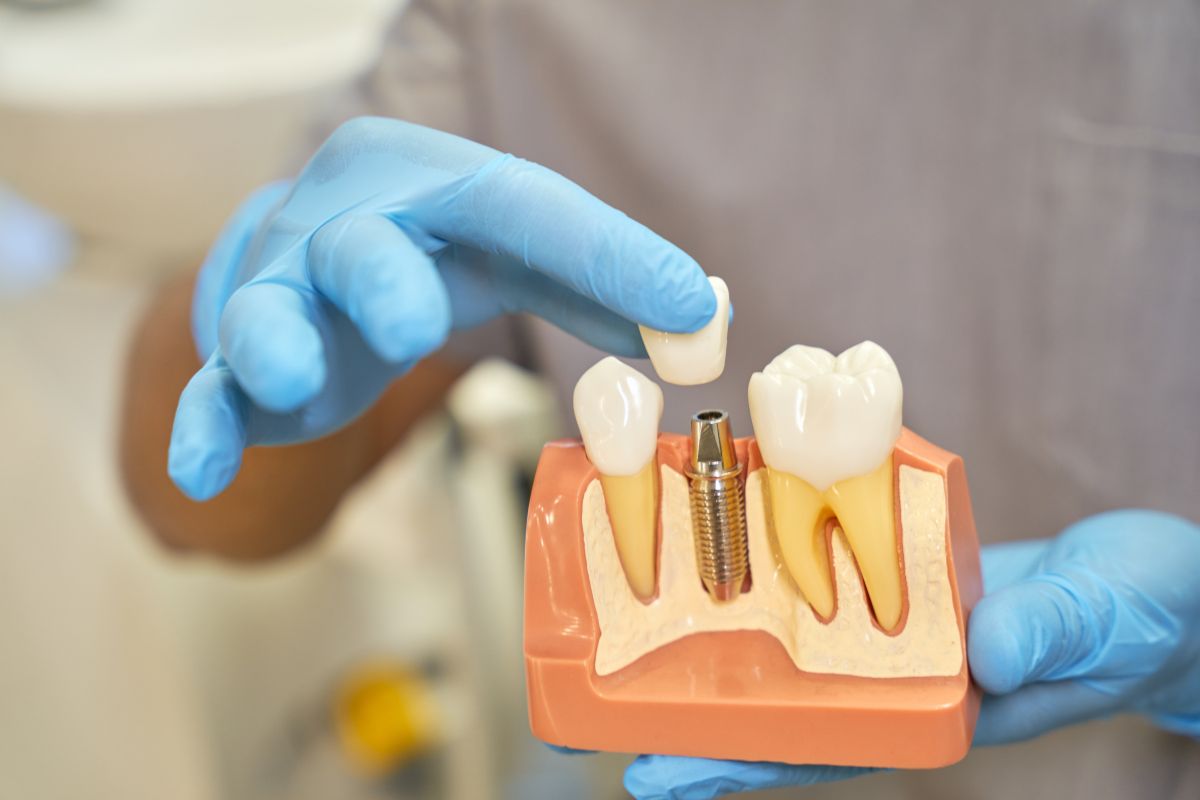
Dental implants are small titanium posts that replace the roots of missing teeth. They are surgically placed into the jawbone and allowed to heal before a custom crown, bridge, or other restoration is attached.
Unlike traditional dentures, implants are anchored in the jaw rather than resting on the gums. This creates a stable foundation that can feel more like a natural tooth.
An implant treatment may be used to replace a single missing tooth, several teeth, or even support a full-arch restoration. Your dentist will evaluate your oral health, jawbone condition, and overall needs before recommending the appropriate approach.
Advantages of Dental Implants
When you lose a tooth, it’s not just the appearance of your smile that’s affected. The structure of your mouth can change, leading to bone loss and affecting how you speak and eat. Dental restorations help address these issues, offering several benefits that make them the ideal solution for many patients. Here are a few key benefits of dental implants Boynton Beach:
- Permanent Solution: Unlike dentures that need replacing every so often, dental restorations are built to serve you happily for a lifetime.
- Improved Oral Health: They help stimulate the jawbone, which is wonderful because it prevents bone loss that can happen when a tooth is missing.
- Natural Appearance: The appearance of these artificial teeth closely resembles natural teeth, effortlessly blending with your smile and giving you a comfortable, authentic smile.
- Restored Function: Implants function just like natural teeth, allowing you to eat, speak clearly, and smile confidently without worry.
- No Impact on Neighboring Teeth: Unlike bridges, these permanent replacements are a great option because they don’t need any alteration of the neighboring teeth, which can help keep your natural teeth intact and healthy.
Why Choose Dental Implants?
Boynton Beach offers a relaxed coastal lifestyle, from the beaches and parks to the local restaurants and outdoor activities. For many residents, being able to eat comfortably and speak with confidence is an important part of enjoying that lifestyle.
A missing tooth doesn’t necessarily have to interfere with those everyday moments. Dental implants can provide a secure replacement that is designed to function alongside your natural teeth.
Whether you have recently lost a tooth or have been living with missing teeth for years, a local dentist can assess your oral health and explain which replacement options may work best for you.
The Dental Implant Procedure
The dental restoration process typically involves several stages. It starts with a consultation, followed by the placement and attachment of a crown or bridge. While the timeline may vary from patient to patient, here’s a general overview of the procedure:
Consultation
During your initial visit, your dentist will examine your mouth, review your medical history, and determine if these are right for you. X-rays or scans may be taken to assess bone density and ensure that the implant will be securely placed.
Implant Placement
In the first step of the procedure, a titanium post is surgically placed into your jawbone. Over the next few months, the bone will fuse with the implant through a process called osseointegration, providing a secure foundation for your new tooth.
Attaching the Crown
Once the restoration has fully integrated with the bone, your dentist will attach a custom-made crown or bridge to the post. The result is a natural-looking, functional tooth replacement.
Follow-Up Care
After the procedure, your dentist will monitor your progress and provide aftercare instructions to ensure the surgical area heals properly.
Are Dental Implants Right for You?
Dental restorations can be a wonderful option for many people, but they might not be the best choice for everyone. Your dentist will take a careful look at the following factors to see if they are the right fit for you.
Bone Health
Having enough bone density is really important to securely hold the restoration. If there’s been some bone loss, your dentist might suggest a bone graft first to help ensure everything goes smoothly with your oral health.
Oral Health
Patients dealing with gum disease or other oral health issues should address these problems first. It eventually helps ensure the procedure becomes successful.
Overall Health
Dental restorations are usually a safe option, though patients with specific health issues, like uncontrolled diabetes, should consult a dentist. It also includes people who smoke; they might want to undergo a bit more review to ensure the best outcome.
If you’re considering missing teeth solutions, scheduling a consultation with us is the first step toward restoring your smile.
Tooth Replacement Options in Boynton Beach
While dental implants are a popular and effective way to replace teeth, they might not be the perfect choice for everyone. Here are some other options you might want to explore:
Dental Bridges
These are artificial teeth that are attached to your surrounding teeth. The good news is, they don’t need surgery! However, keep in mind that they might influence your neighboring teeth and don’t stop bone loss.
Dentures
Full or partial dentures are convenient, removable options for replacing missing teeth. While they are non-invasive and easy to use, they might feel a little less stable and comfortable compared to prosthetic teeth. However, many people find them to be a suitable solution and appreciate the ease of their use.
Each option has its pros and cons, and your dentist can help guide you in choosing the best solution based on your unique needs.
How to Care for Dental Implants
Taking care of an implant is similar in many ways to caring for your natural teeth. Helpful habits include:
- Brush twice a day with fluoride toothpaste.
- Clean carefully between your teeth and around the implant.
- Attend regular dental checkups and professional cleanings.
- Avoid using your teeth to open packages or bite very hard objects.
- Tell your dentist about any changes such as bleeding, swelling, discomfort, or looseness.
Consistent maintenance can help protect the implant, restoration, and surrounding tissues for years to come.
Restore Your Oral Health with Our Implants
If you’re considering a tooth replacement solution, dental implants in Boynton Beach offer an excellent option. It restores both the function and appearance of your smile. With their long-lasting benefits and natural look, they can change your life for the better. Are you ready to take the first step toward a confident smile? Contact Ocean Dental Studio Boynton Beach today to schedule your consultation.
FAQs About Dental Implants
How long do dental implants last?
With proper care and regular dental visits, dental implants can last many years and, in some cases, decades. The implant itself may last a lifetime, while the crown or other restoration may eventually need replacement due to normal wear.
Are dental implants painful?
The implant placement procedure is performed with anesthesia to keep you comfortable. Some soreness, swelling, or tenderness may occur afterward, but these symptoms are typically temporary. Your dentist will provide specific aftercare instructions based on your procedure.
How long does implant treatment take?
The overall process can take several months because the implant needs time to integrate with the jawbone before the final restoration is placed. Some patients may require additional procedures that can extend the timeline.
Can I get dental implants if I have gum disease?
Active gum disease should generally be treated before implant placement. Your dentist can evaluate your gums and recommend appropriate treatment before moving forward.
What if I have experienced bone loss?
Bone loss does not necessarily rule out implant treatment. Depending on the amount and location of bone loss, your dentist may recommend a bone graft or another approach to create adequate support.
What should I do if I’m missing a tooth?
Start with a dental evaluation. Your dentist can examine the condition of your teeth, gums, and jawbone and explain whether an implant, bridge, denture, or another treatment would be the most appropriate option for you.