Same-Day Appointments Available!


Understanding Dental Crowns and Factors Affecting Their Longevity

A smile is often called one’s best accessory, and just like any prized possession, it deserves proper care and maintenance. Dental crowns, often referred to as “caps,” play a significant role in preserving and enhancing the beauty and functionality of our teeth. In this comprehensive guide, we’ll explore the world of dental crowns, their importance, and the key factors that influence their longevity.
What Are Dental Crowns?
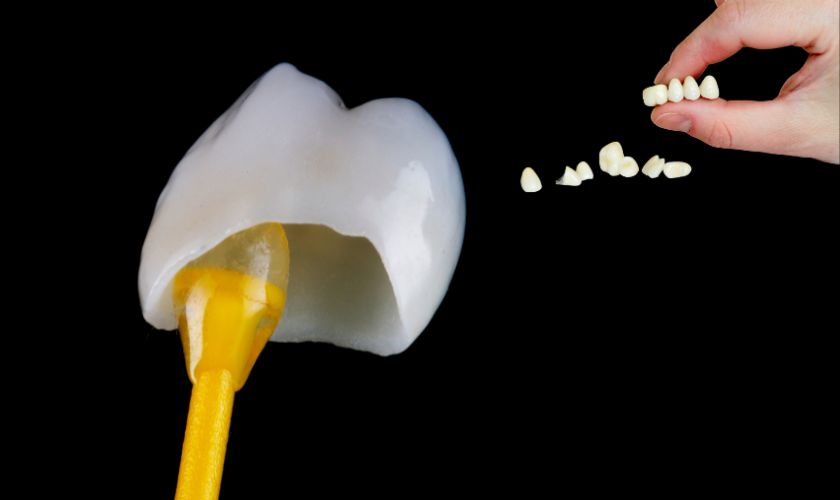
Imagine a crown adorning the head of royalty, symbolizing strength and regality. Similarly, dental crowns are customized caps that fit over a damaged or weakened tooth, restoring its shape, size, strength, and appearance. Crowns can be made from various materials such as porcelain, ceramic, metal alloys, or a combination of these materials, depending on the specific needs of the patient.
The Importance of Dental Crowns
- Restoration of Functionality: Dental crowns provide structural support to weakened or fractured teeth, allowing for proper chewing and speaking.
- Protection: Crowns shield vulnerable teeth from further damage, preventing decay, cracks, or fractures from worsening.
- Aesthetic Enhancement: With advancements in dental technology, crowns can be customized to match the color, shape, and translucency of natural teeth, ensuring a seamless and attractive smile.
- Longevity: When well-maintained, dental crowns can last for many years, providing durable and reliable dental restorations.
Factors Affecting the Longevity of Dental Crowns
Material Selection
The choice of crown material significantly impacts its longevity. While metal crowns, such as gold or stainless steel, are highly durable, they may not be suitable for visible teeth due to aesthetic concerns. Porcelain and ceramic crowns offer excellent aesthetics but may be more prone to chipping or fracture.
Quality of Craftsmanship
The skill and expertise of the dentist and dental laboratory technician play a crucial role in the fabrication and placement of dental crowns. Proper preparation, fitting, and bonding are essential for ensuring the longevity and stability of the crown.
Oral Hygiene Practices
Good oral hygiene habits, including regular brushing, flossing, and routine dental check-ups, are essential for maintaining the health of both natural teeth and dental restorations. Neglecting oral hygiene can lead to gum disease, decay, and eventual failure of dental crowns.
Occlusal Forces
Excessive biting forces, such as teeth grinding (bruxism) or clenching, can exert undue pressure on dental crowns, leading to wear and potential fracture. Custom-made night guards or occlusal splints may be recommended to alleviate these forces and protect the crowns.
Underlying Oral Conditions
Pre-existing dental issues, such as gum disease, tooth decay, or root canal infections, can compromise the longevity of dental crowns. Addressing these concerns before crown placement is crucial for ensuring optimal outcomes.
Lifestyle Factors
Habits such as smoking, chewing ice or hard objects, and consuming acidic or sugary foods and beverages can impact the integrity of dental crowns. Making healthy lifestyle choices can contribute to the longevity of dental restorations.
Conclusion
Dental crowns serve as pillars of strength and beauty in our smiles, offering a lifeline to damaged or weakened teeth.
By understanding the importance of dental crowns and the factors that influence their longevity, patients can make informed decisions about their oral health and take proactive steps to preserve their smiles for years to come. Remember, regular dental visits, meticulous oral hygiene, and a healthy lifestyle are the keys to unlocking the lasting brilliance of your dental crowns.