Same-Day Appointments Available!


Understanding Dental Filling Materials: Which One is Right for You?
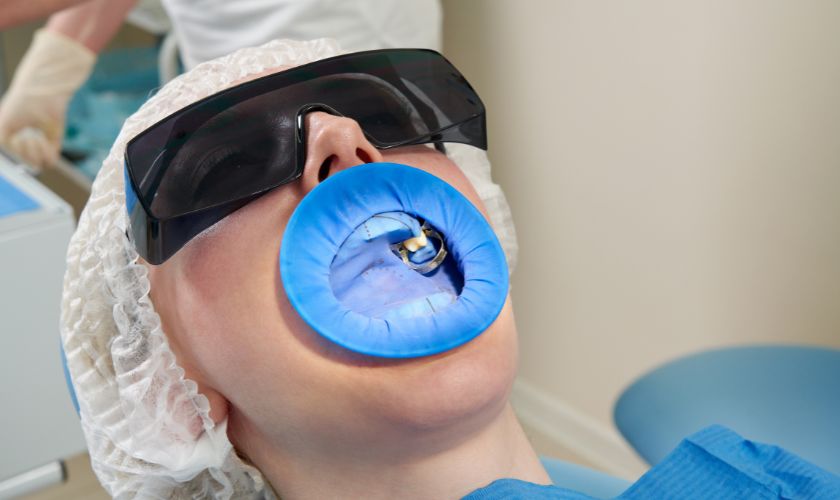
When it comes to dental fillings, one size does not fit all.
With advancements in dental technology, there are now several types of filling materials available, each with its own set of advantages and considerations. Understanding these materials is crucial in making an informed decision about your dental health.
This is an educating blog about your dental health in which we’ll talk about the various types of dental filling materials, their characteristics, and which one might be right for you.
4 Widely Used Dental Filling Materials
1. Amalgam Fillings
Amalgam fillings, also known as silver fillings, have been used for over a century in dentistry. They are a mixture of metals, including silver, mercury, tin, and copper.
Amalgam fillings are known for their durability and strength, making them suitable for filling cavities in the back teeth where chewing forces are greatest.
Despite their longevity, there has been some concern about the mercury content in amalgam fillings. However, numerous studies, including one published in the Journal of the American Dental Association, have found that the amount of mercury released from amalgam fillings is minimal and within safe limits. Thus, amalgam fillings remain a viable option for many patients.
Many Boynton Beach residents do consult with our dentist to check if amalgam fillings can be suitable for them!
2. Composite Fillings
Composite fillings are made of a mixture of plastic and fine glass particles. They are tooth-colored and can be closely matched to the shade of your natural teeth, making them a popular choice for visible areas of the mouth.
Composite fillings bond directly to the tooth structure, which can help preserve more of the natural tooth compared to amalgam fillings.
One of the significant advantages of composite fillings is their aesthetic appeal. They blend seamlessly with the surrounding tooth structure, providing a natural-looking result.
Additionally, composite fillings require less removal of healthy tooth structure compared to amalgam fillings, making them a conservative option for dental restorations.

3. Ceramic Fillings
Ceramic fillings, also known as porcelain fillings or inlays/onlays, are fabricated in a dental laboratory and then bonded to the tooth by the dentist. They are highly durable and resistant to staining, making them an excellent choice for filling cavities in visible areas of the mouth.
One study published in the Journal of Dentistry found that ceramic fillings have comparable longevity to traditional amalgam fillings, making them a reliable option for long-term dental restorations. Additionally, ceramic fillings can be precisely matched to the color of your natural teeth, providing excellent aesthetic results.
4. Glass Ionomer Fillings
Glass ionomer fillings are made of a mixture of glass and acrylic. They release fluoride, which can help prevent further decay in the surrounding tooth structure. Glass ionomer fillings are often used in areas of low bite pressure, such as around the gum line or in baby teeth.
While glass ionomer fillings are not as durable as other filling materials, they offer unique benefits such as fluoride release and minimal tooth preparation. They are an excellent option for certain situations, such as filling cavities in primary teeth or as a temporary filling material.
Choosing the Right Filling Material!
So, which filling material is right for you?
The answer depends on several factors, including the location and size of the cavity, your budget, aesthetic preferences, and any underlying dental conditions. It’s essential to discuss your options with your dentist to determine the best course of action for your individual needs.
For cavities in the back teeth where strength and durability are paramount, amalgam fillings may be the best choice. However, if you’re looking for a more aesthetic solution for cavities in visible areas of the mouth, composite or ceramic fillings may be preferred.
Ultimately, the goal of dental fillings is to restore the health, function, and appearance of your teeth. By understanding the different types of filling materials available and discussing your options with your dentist, you can make an informed decision that meets your needs and helps you maintain optimal dental health for years to come.
The Ending Thought
Dental filling materials have come a long way, offering patients a range of options to suit their individual needs. Whether you opt for the durability of amalgam, the aesthetics of composite, the strength of ceramic, or the fluoride release of glass ionomer, the key is to work closely with your dentist to choose the right filling material for you.
Meet Our Dental Practice at Boynton Beach
Our Boynton Beach dentists are expert at providing preventive dental care like tooth fillings. If you doubt, you may have cavities or other related dental issues, Do not delay to contact our dental office!
Call 561-732-2711 to schedule your appointment or visit 2860 S Seacrest Blvd, Boynton Beach, FL 33435 for dentist’s consultation!
References:
- American Dental Association. Dental Amalgam Fillings.
- National Library of Medicine: A study on longevity of posterior composite and amalgam restorations. Dental Materials.

