Same-Day Appointments Available!


Dental Implants Surgery Aftercare Tips to Ensure Success
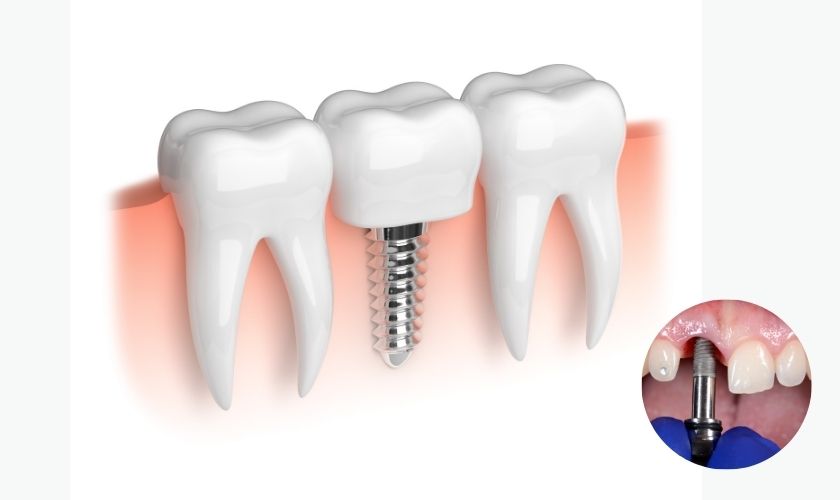
Dental implants have revolutionized the field of dentistry, offering a reliable and long-lasting solution for missing teeth. However, like any surgical procedure, proper aftercare is crucial for ensuring the success of dental implant surgery.
How healing process happen after dental implant surgery?
After dental implant surgery, the healing process begins with the formation of blood clots at the surgical site to promote initial wound closure. Over the following weeks, the bone around the implant gradually integrates with the implant through a process called osseointegration. During this time, soft tissue healing occurs, and the gums adapt to the implant structure. Proper aftercare, including good oral hygiene and adherence to post-surgery instructions, supports a successful healing process.
How infection can be formed after dental implant surgery?
Infection after dental implant surgery can occur due to various factors, including poor oral hygiene, bacteria present in the mouth, compromised immune system, and surgical complications. If bacteria infiltrate the surgical site, they can lead to inflammation, pain, and potentially serious complications. Following proper aftercare instructions, maintaining good oral hygiene, and promptly addressing any signs of infection are essential for preventing complications and ensuring successful healing after a dental implant in Boynton Beach.
From preventing infection to promoting speedy recovery, here are ten essential tips to follow post-surgery:
1. Follow Your Dentist’s Instructions
Your dentist or oral surgeon will provide you with detailed aftercare instructions tailored to your specific needs. It’s essential to follow these instructions meticulously to promote healing and reduce the risk of complications. These instructions may include dietary restrictions, medication schedules, and guidelines for oral hygiene.
2. Maintain Oral Hygiene
Good oral hygiene is paramount for preventing infection and promoting healing after dental implant surgery. However, you may need to modify your oral hygiene routine temporarily to avoid disrupting the healing process. Your dentist may recommend using a gentle mouthwash or saline solution to rinse your mouth and gently brushing your teeth around the surgical site.
3. Avoid Disturbing the Surgical Site
It’s crucial to avoid touching, poking, or prodding the surgical site with your fingers, tongue, or any objects. Disturbing the surgical site can disrupt the healing process and increase the risk of infection. Additionally, refrain from smoking or using tobacco products, as they can impair healing and increase the risk of complications.
4. Manage Discomfort
Some discomfort and swelling are normal after dental implant surgery, but your dentist may prescribe pain medication or recommend over-the-counter pain relievers to manage any discomfort. Applying ice packs to the affected area can also help reduce swelling and discomfort in the first 48 hours following surgery.
5. Stick to Soft Foods
In the days following dental implant surgery, stick to soft foods that require minimal chewing to avoid putting undue pressure on the surgical site. Opt for smoothies, yogurt, mashed potatoes, soup, and other soft, nutritious foods that won’t irritate the healing gums.
6. Stay Hydrated
Proper hydration is essential for overall health and healing, so be sure to drink plenty of water after dental implant surgery. However, avoid using straws, as the suction motion can dislodge blood clots and impede healing.
7. Attend Follow-Up Appointments
Be sure to attend all follow-up appointments with our dentist or oral surgeon in Boynton Beach as scheduled. These appointments allow your dental care provider to monitor your healing progress, remove sutures if necessary, and address any concerns or complications promptly.
8. Avoid Strenuous Activities
While it’s essential to stay active and maintain a healthy lifestyle, avoid engaging in strenuous activities or heavy lifting for the first few days following dental implant surgery. Exertion can increase blood pressure and blood flow to the surgical site, potentially causing bleeding or discomfort.
9. Watch for Signs of Infection
Monitor the surgical site closely for any signs of infection, such as excessive swelling, persistent pain, redness, warmth, or discharge. If you notice any of these symptoms, contact your dentist or oral surgeon immediately, as prompt treatment is essential for preventing complications.
10. Be Patient
Finally, be patient with the healing process. It takes time for the dental implants to integrate with the surrounding bone and for the surgical site to fully heal. Follow your dentist’s recommendations, practice good oral hygiene, and give your body the time it needs to recover fully.
Final Advice
Proper aftercare plays a vital role in the success of dental implant surgery. By following the recommended guidelines, you can support faster healing, minimise the risk of complications, and enjoy a strong, natural-looking smile for years to come. At Ocean Dental Studio Boynton Beach, we are committed to helping you every step of the way. If you have any questions or concerns about your dental implant aftercare, feel free to contact our team for expert guidance and personalized support.
FAQs
1. How long does it take to heal after dental implant surgery?
Initial healing usually takes 1–2 weeks, but full healing (osseointegration) can take 3–6 months, depending on the patient and bone condition.
2. What should I avoid after dental implant surgery?
You should avoid smoking, hard or sticky foods, vigorous rinsing, and heavy physical activity, as these can disrupt healing and increase the risk of implant failure.
3. How do I clean my mouth after dental implant surgery?
Use a soft toothbrush, avoid the surgical site initially, and rinse gently with warm salt water or prescribed mouthwash to prevent infection and support healing.
4. What foods are best after dental implant surgery?
Stick to soft foods like yogurt, smoothies, mashed potatoes, and soups. Avoid hot, crunchy, or chewy foods until your dentist advises otherwise.
5. How can I ensure the long-term success of my dental implants?
Maintain good oral hygiene, attend regular dental check-ups, avoid smoking, and follow all aftercare instructions carefully to support healing and prevent complications.