Same-Day Appointments Available!


Prevention Is Key: How To Avoid Dental Emergencies
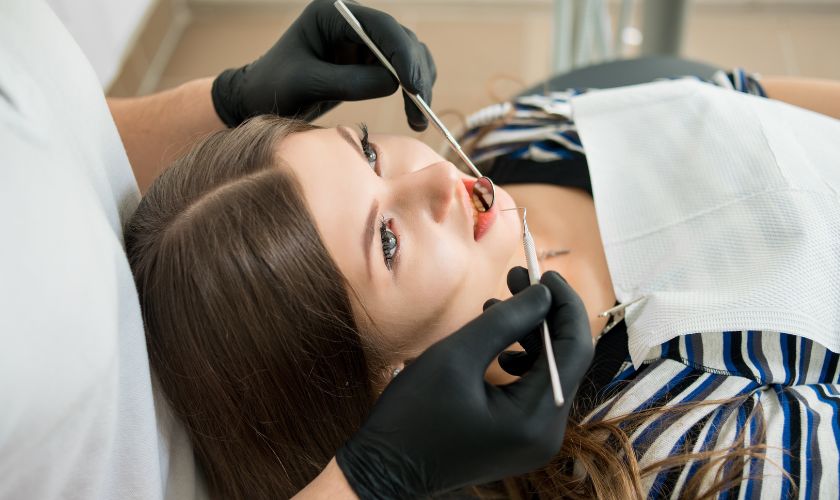
Have you ever experienced a sudden toothache or lost a filling while biting into your favorite food? Dental emergencies can happen at any time and can be both painful and inconvenient. But the good news is, that most dental emergencies are preventable with proper care and attention to your oral health.
What Are Dental Emergencies?
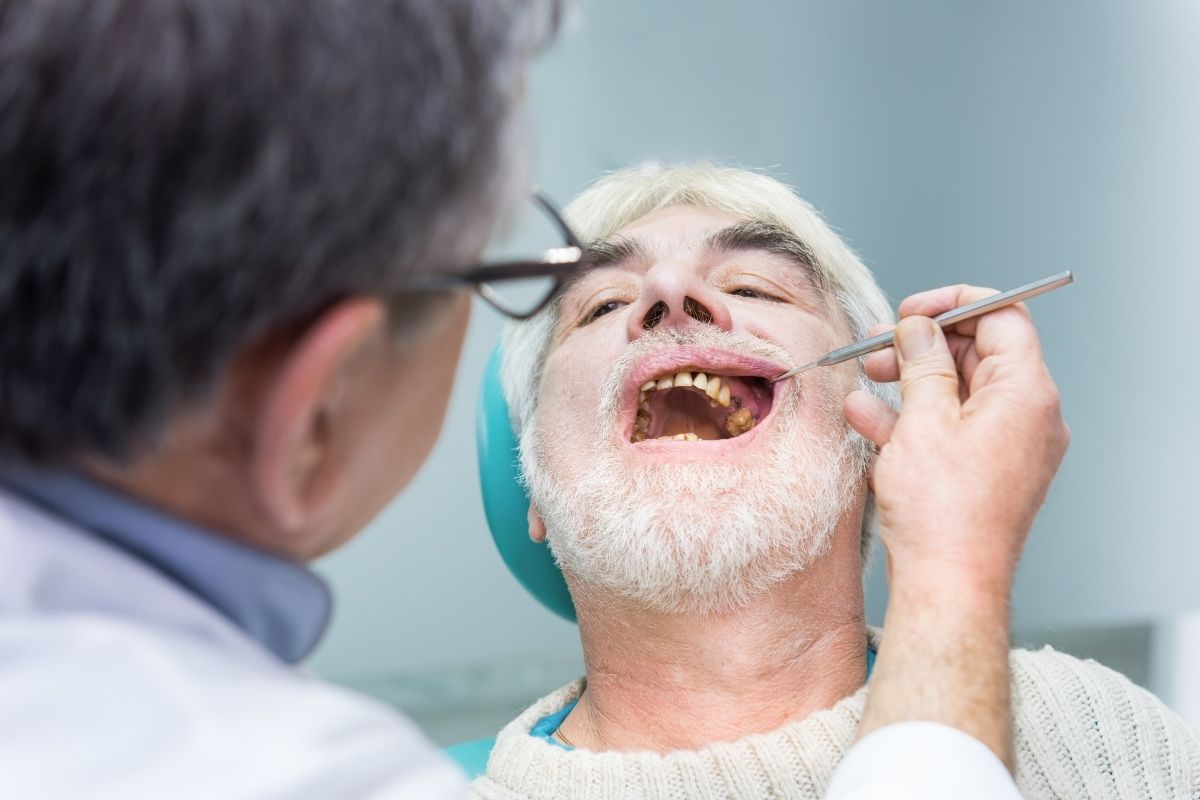
Dental emergencies are sudden and unexpected dental issues that require immediate attention. These can range from severe toothaches to broken or knocked-out teeth, as well as bleeding gums and other oral injuries. Dental emergencies can be caused by a variety of reasons including trauma, infection, decay, and inadequate oral hygiene.
One common dental emergency is a severe toothache. This type of pain usually indicates an underlying issue such as an infected tooth or gum disease. Other dental emergencies may include chipped or broken teeth which can cause sharp edges that irritate the tongue or cheek.
Injuries to the mouth like cuts on the tongue or lips are also considered dental emergencies because they can lead to infections if left untreated. Additionally, losing a filling or crown while eating could result in sensitivity and pain while chewing.
It’s important to note that not all dental issues require urgent care but it’s better safe than sorry when it comes to your oral health. If you experience any unusual symptoms in your mouth don’t hesitate to contact your dentist right away for proper diagnosis and treatment.
How to Avoid Dental Emergencies
Dental emergencies can be painful, costly, and stressful. Fortunately, there are several steps you can take to avoid them.
1- Practice good oral hygiene: Brush your teeth twice a day for at least two minutes each time and floss daily. This will help prevent cavities, gum disease, and other dental problems that can lead to emergencies.
2- Wear a mouthguard: If you play contact sports or grind your teeth while sleeping, wearing a mouthguard can protect your teeth from damage.
3- Don’t use your teeth as tools: Your teeth are meant for chewing food, not opening packages or cracking nuts. Using them in this way can cause chips, cracks, or even fracture the tooth entirely.
4- Watch what you eat and drink: Avoid sugary and acidic foods that can erode enamel over time. Also, limit alcohol consumption as it increases the risk of accidents that may result in dental injuries.
5- Regularly visit your dentist: Dental check-ups every six months allow dentists to detect any potential problems before they become emergencies.
By following these simple tips, you’ll be able to significantly reduce the likelihood of experiencing a dental emergency.
What To Do If You Have A Dental Emergency
If you find yourself amid a dental emergency, it’s essential to act quickly and seek professional help. The first thing you should do is call your dentist or an emergency dental clinic. They will assess the situation over the phone and advise you on what steps to take next.
If you have severe pain, bleeding, or swelling, don’t wait for an appointment – go straight to the emergency room at your local hospital. They can provide immediate relief and refer you to a specialist if necessary.
In case of a knocked-out tooth, handle it with care by holding it gently by the crown (not roots) and rinse any dirt off with milk or saline solution before putting it back into its socket if possible. If this isn’t possible, place it in a cup of milk or saliva until reaching the dentist as soon as possible.
If you experience sudden toothache pain that won’t go away after rinsing with warm water and flossing around that area then avoid using aspirin against gums because this may cause gum tissue damage instead use an ice pack outside the cheeks near affected teeth for 20 minutes intervals until seeing your dentist.
Remember: prevention is key when avoiding dental emergencies but accidents happen! So always have your dentist’s number programmed on your phone just in case!
The Bottom Line
Dental emergencies can be painful, costly, and stressful. However, they can often be avoided with proper care and attention to your oral health. By practicing good hygiene habits like brushing twice a day, flossing daily, and visiting the dentist regularly for check-ups and cleanings, you can significantly reduce your risk of experiencing a dental emergency.
In addition to these preventive measures, it’s important to take action if you experience a dental emergency. Contact your dentist as soon as possible or seek medical attention if the situation is severe enough. Remember that early intervention is key when it comes to preventing further damage or complications.